
The Judge Pointed at Her… And This Courtroom Moment Got Everyone’s Attention
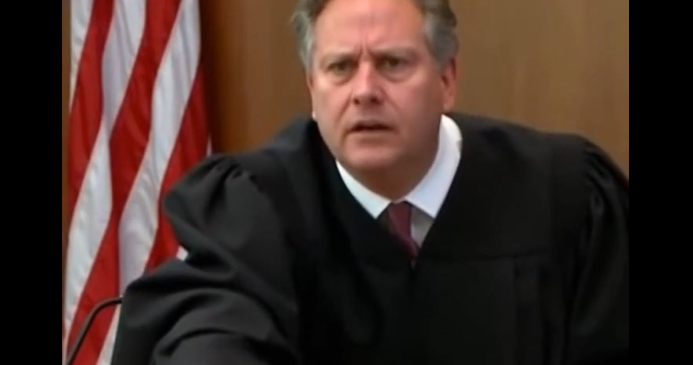
The judge confronts the defendant from the bench, pointing toward her as he speaks with a serious expression.
Dressed in a jail uniform the defendant stood beside the attorney as the judge continued addressing the woman from the bench. Judges expression was serious and judge confronts defendant
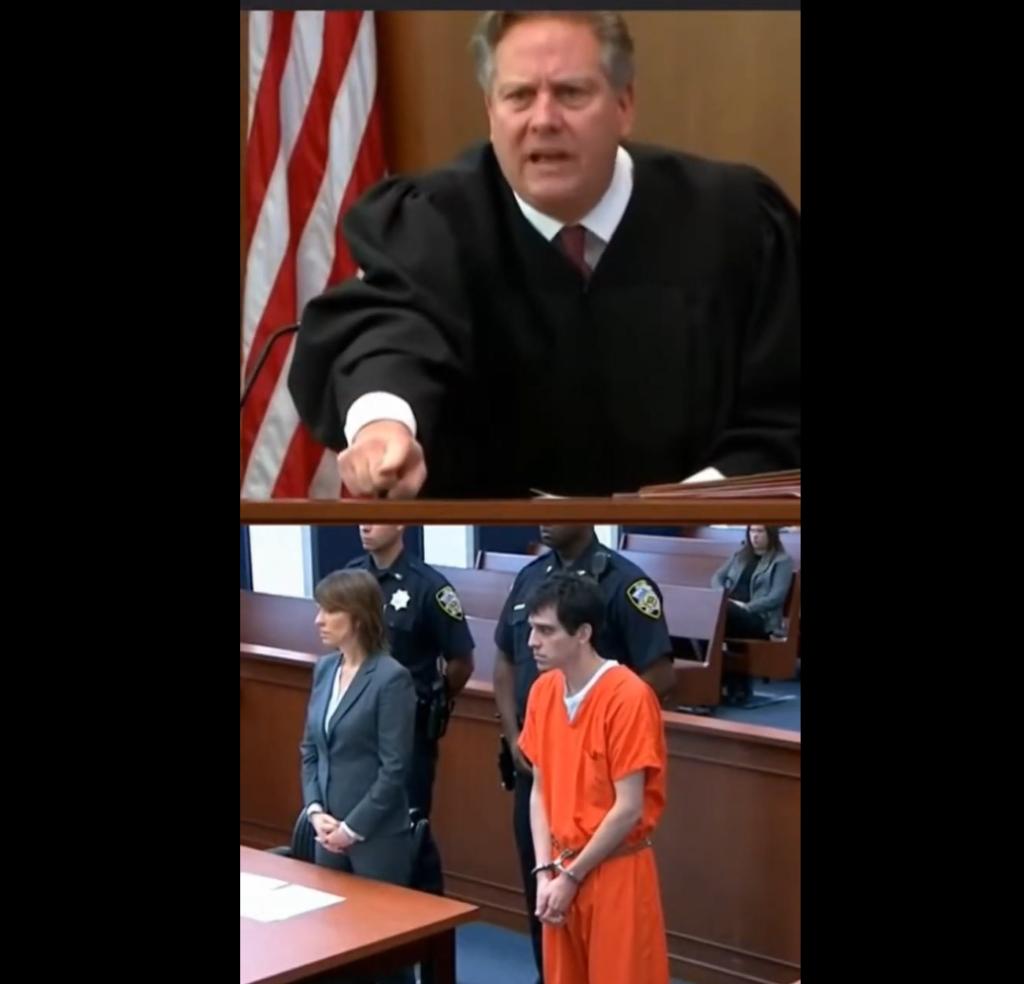
Judges gestures were forceful. The woman remained standing while the attorney stayed close by watching the proceedings carefully.
In a few seconds the contrast between judge’s commanding presence and defendant’s quiet posture made this a moment that was difficult to ignore. I could feel the room shift as judge’s voice filled the air.
Courtrooms can be intimidating places for someone standing before judge while facing a legal case. Every word. Even a short exchange can feel significant when a person’s future may be affected by the proceedings. In this clip judge’s movements and expressions
create an atmosphere. However the footage does not reveal the conversation the allegations involved or what happened before the camera began recording.
I felt the weight of each word as if the room held its breath.
Why the Judge Confronts the Defendant
The judge is the person likely to catch a viewer’s attention. Sitting behind the bench in a judicial robe judge leans forward and repeatedly gestures
toward the people standing before judge. Judges facial expressions appear firm and judges movements suggest that judge wants to emphasize
something during the hearing. I noticed how judge’s posture commanded attention like a lighthouse in fog.
A judge’s responsibilities extend beyond listening to people speak. Judge must manage courtroom proceedings consider the legal issues and ensure that the process follows applicable rules.
Sometimes judges body language can appear intense particularly when judge is making a point or directing someone to pay attention. I heard the echo of judge’s voice in my mind.
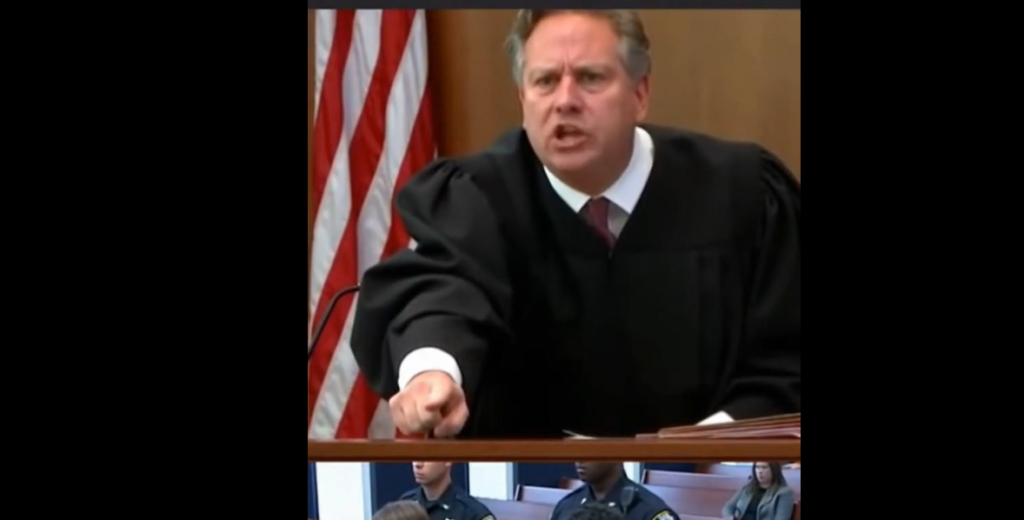
Still a serious expression does not tell the story. Without hearing the exchange viewers cannot know exactly what judge was saying or why judge was gesturing
toward the defendant. What the footage clearly captures is judge’s commanding presence and the attention judge’s actions bring to the moment. I could not read judge’s thoughts from the clip
The Woman Standing Before the Bench
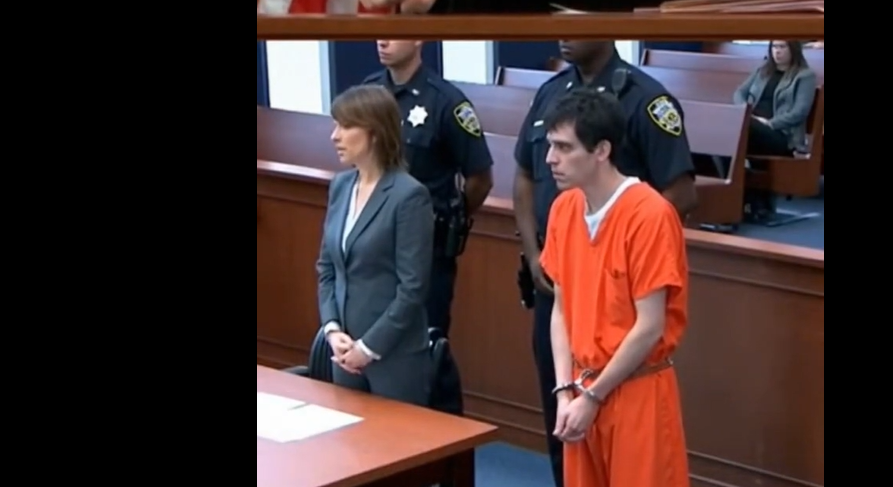
While judge speaks the woman in the orange uniform remains standing near the courtroom table. The attorney stands beside the woman appearing attentive to the proceedings.
The woman’s posture is still creating a visual contrast with judge’s more animated gestures. I felt the steadiness of the woman against judge’s energy.
For someone appearing in court as a defendant the experience can be stressful. There may be uncertainty about the step, concern about the legal process and the pressure of being observed by everyone
in the room. So it would be unfair to assume what this particular woman is feeling simply by looking at a short video. I imagined the fear that might haunt her thoughts. and judge confronts defendant
The attorney’s presence is a detail. Legal representation can help a defendant understand the proceedings communicate with the court and protect legal rights.
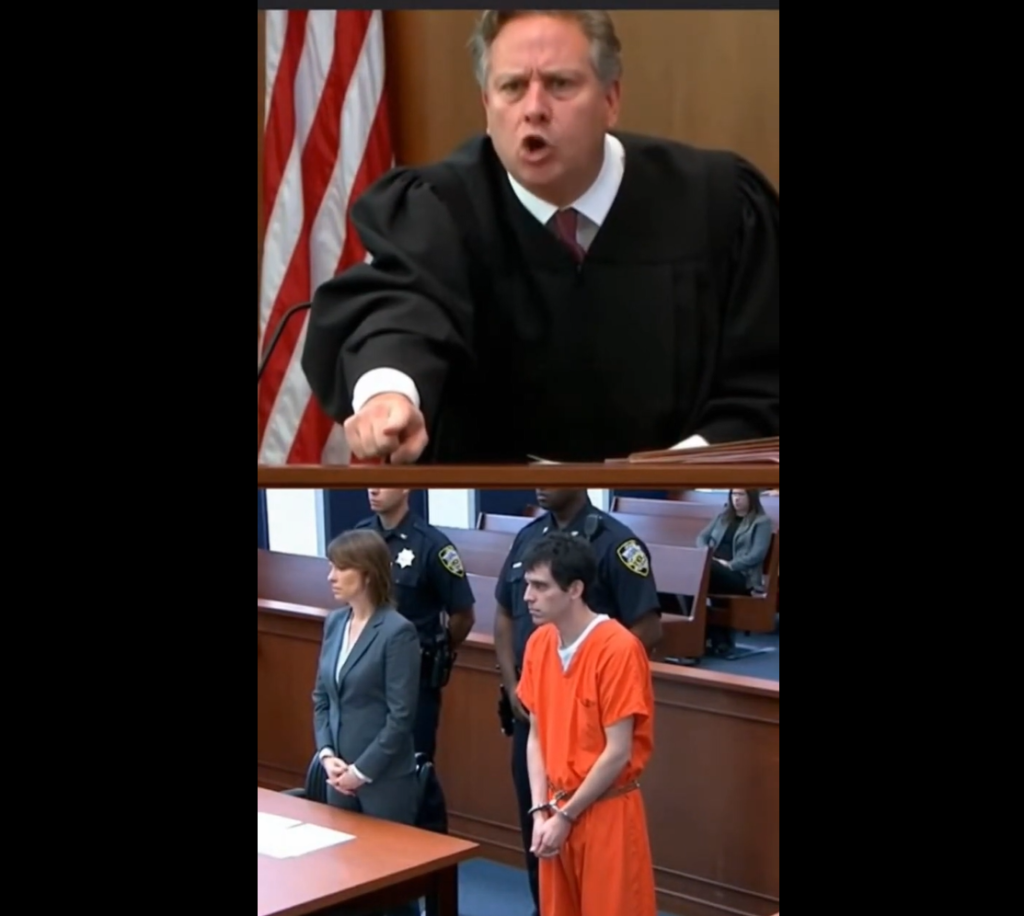
The attorney’s role is not to decide the case but to represent the woman client within the rules of the system. I saw how the attorney guided the woman with assurance.
The clip does not provide information to establish the woman’s identity the charges she may be facing or whether she has already received a decision. Those details matter.
They should not be guessed from her appearance or judge’s expression. I felt the mystery linger.
Why a Judge’s Words Can Carry Much Weight
A courtroom is different from an ordinary conversation. Judge has authority over the proceedings and instructions given from the bench can have important consequences.
That is why judge’s tone, gestures and choice of words often attract attention especially when a hearing appears tense. I sensed the weight of judge’s words in the room.
However authority does not mean that every forceful gesture signals punishment or that every serious expression indicates anger. Judge may use language to clarify in judge confronts defendant
an issue maintain order or ensure that someone understands what is being discussed. The meaning depends on the circumstances and the actual words spoken. I wondered what judge truly intended.
This distinction is particularly important when short courtroom videos circulate online. A brief clip can show a moment without revealing the explanation that came before it.
Viewers may see judge pointing toward defendant. Immediately imagine a confrontation but the full context could be more complicated. I thought about how context shapes perception.
The responsible way to understand the scene is to separate what is visible from what remains unknown. Judge appears serious defendant stands beside the attorney and the proceedings continue. in judge confronts defendant
Anything beyond those observations requires evidence. I realized the limits of what we can know from a snapshot.
The Importance of an Attorney During a Tense Hearing
The attorney standing beside defendant represents another part of the courtroom process. When judge addresses defendant directly attorney can help the judge confronts defendant
client understand the issues and advise on appropriate responses. I saw the attorney’s patience, as a counterbalance to judge’s intensity.
Legal proceedings can contain words, strict rules and decisions that are hard to understand without experience. Having representation can help a defendant navigate those challenges.
It also supports the principle that allegations should be handled through the process rather than decided by public assumptions.
At the time an attorney cannot guarantee a particular result. The outcome of a case depends on the facts that matter the evidence that exists the law that applies and the decisions that the judge will make.
A tense exchange alone does not set guilt. Decide what the judge will choose.
In this clip the attorney stays beside the defendant while the judge speaks. That small detail reminds viewers that a courtroom hearing involves more than the person speaking from the bench.
It is a process in which different participants have responsibilities.
What This Courtroom Moment Really Shows
The strongest element of the footage is the contrast between the judge’s gestures and the defendant’s quiet posture. The scene creates tension without the need for an argument or a dramatic ruling to be heard.
It is important not to confuse an intense moment with the whole legal story. The video does not show whether the defendant was found guilty whether judge confronts defendant
the defendant received a sentence or whether the judge made a decision. It also does not give context to explain why the judge made those gestures.
What the video does show is how powerful a courtroom interaction can look, when only a small part of the proceedings is visible. The judge’s authority,judge confronts defendant
the defendant’s position and the attorney’s presence all add to a scene that naturally raises questions.
Ultimately justice depends on more than appearances. The judge must consider the law and the facts that matter while the defendant must have the chance to navigate the process fairly.
A few seconds of footage cannot tell us everything that happened in that room judge confronts defendant
That leaves one question for viewers: What was the judge trying to make clear, to the defendant in this courtroom moment?
U.S. Courts — Court Role and Procedures
Editorial note: This article discusses the courtroom scene. The identities of the people the dialogue, the allegations and the outcome of the hearing have not been independently verified from the video.
Pingback: Court Is Only About Punishment? 5 Powerful Lessons