
The Judge Stayed Calm… But Her Next Decision Changed the Entire Courtroom
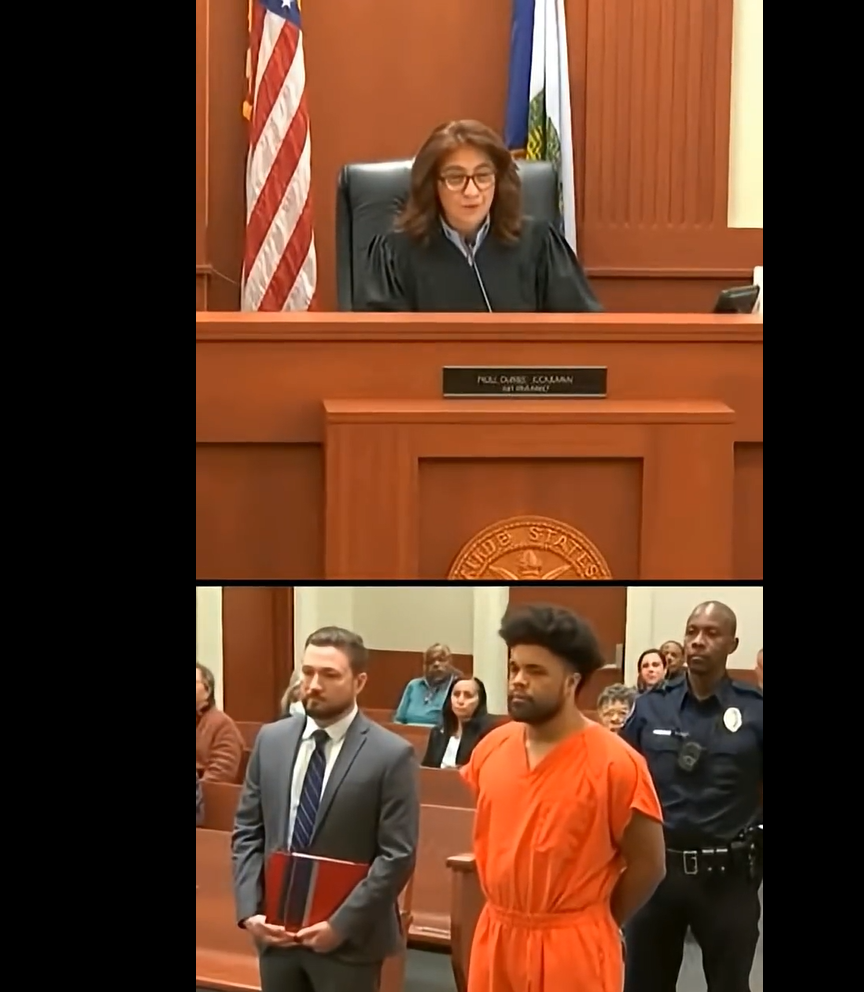
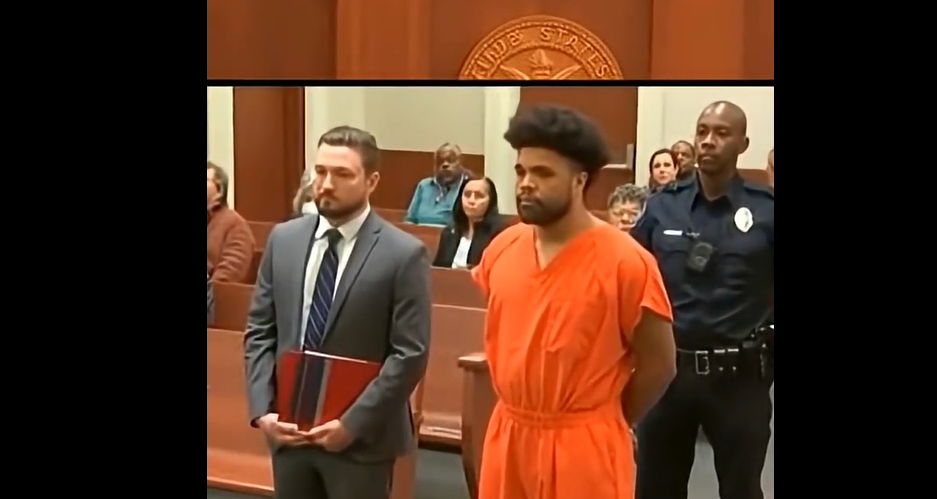
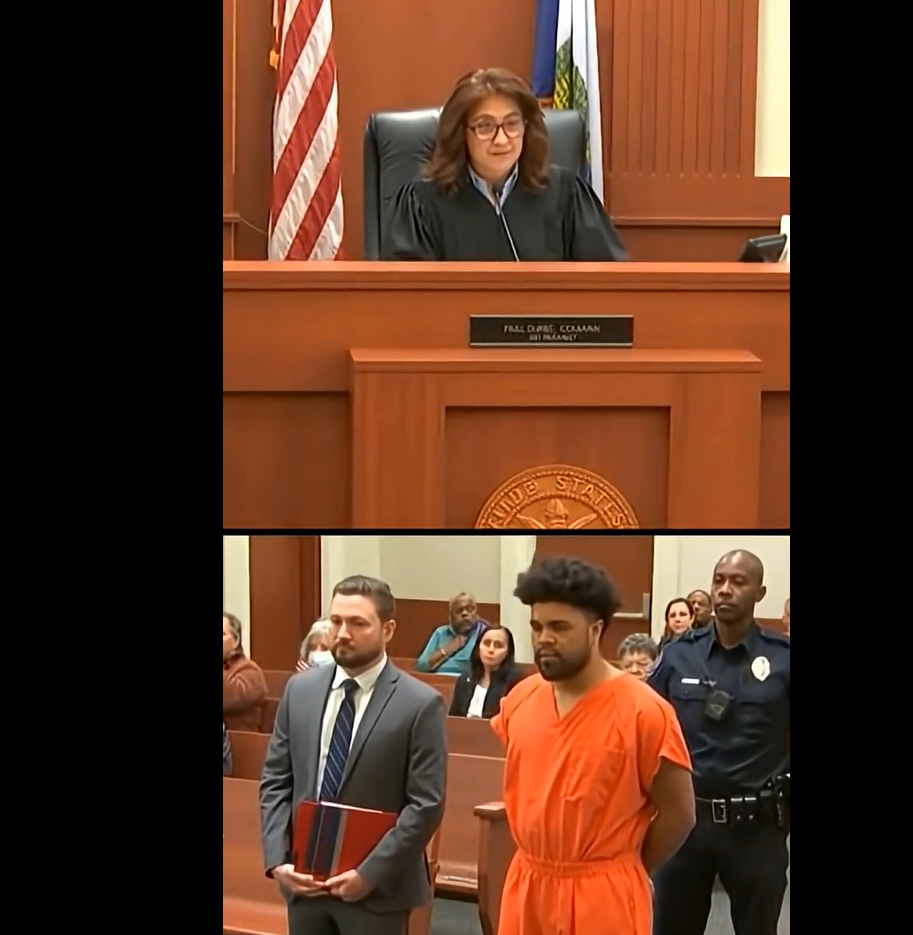
The courtroom was unusually quiet when Marcus Reed stepped forward in his orange jumpsuit. He stood with his hands behind his back, his face serious,
while a uniformed officer remained nearby. Beside him, his attorney held a red case folder and watched the judge carefully. Everyone in the room seemed to courtroom discipline
understand that this was not the moment for careless words or unnecessary reactions. But Marcus was about to learn that courtroom discipline was about much more than simply standing still and remaining silent.
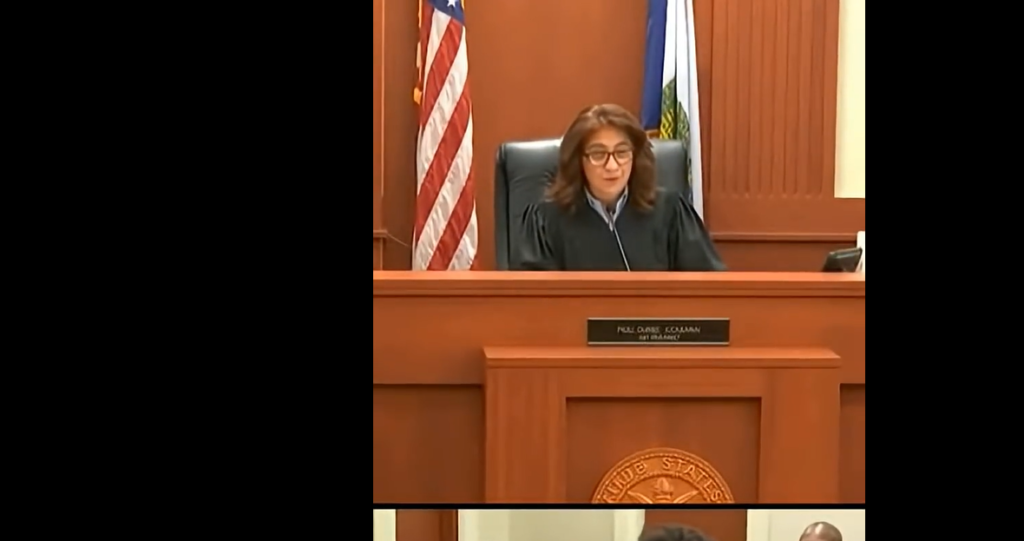
At the bench, Judge Elaine Carter looked down at the documents in front of her. She had spent years listening to people explain their choices, defend their actions,
and ask for another opportunity. Some arrived angry. Others came frightened or embarrassed. A few believed that speaking loudly would make their arguments stronger.
Judge Carter had learned not to judge a person by one expression or one difficult moment. Instead, she paid attention to whether they could listen, answer honestly, and take responsibility when it mattered in in courtroom discipline
A Serious Moment Before the Judge
Marcus had been called to court for a hearing regarding a serious allegation. The matter was still under consideration,
and the judge had yet to reach a final verdict. Daniel Brooks, his attorney, had already warned him that the hearing would require patience.
He had told him that the judge would ask questions, go through the necessary procedures, and give both sides a chance to speak. Marcus, however,
felt as if he were in a completely different world when he stood before the bench. There were too many strangers, and he felt as if every movement
he made was being scrutinized. He shifted uncomfortably before finally settling back to his original pose.
His attorney gave him a warning look, telling him to have some sense of decorum.
Judge Carter finally looked up from the file and addressed Marcus. She did not raise her voice or thump the bench, as some judges were prone to do. Instead, she gave courtroom discipline
him a stern look and reminded him that the court needed order, not theatrics, and that interrupting or browbeating the other side was not the way to conduct business.
Her words were firm but not humiliating, giving Marcus a reminder that the people in the courtroom were there to conduct business in a befitting manner.
The Difference Between Respect and Fear
Marcus listened as the judge continued. He had walked into the courtroom expecting to be treated like a person already found guilty.. Judge
Carter made it clear that this hearing was not about judgment. It was about fairness. The court would look at the facts the law and what both sides had to say.
Marcus might feel uneasy with the questions.. Feeling uncomfortable did not mean he could avoid answering them.
When the judge invited him to speak his attorney stepped forward. Daniel opened the folder. He laid out the points he wanted the court to consider. He did not shout courtroom discipline matters
He did not make promises he could not keep. He stayed focused on what was real on what could be shown. He asked for a chance to respond to the concerns raised.
For the time since he entered Marcus relaxed a little. He saw that Daniel was not trying to win by words or angry tones. He was building the case
carefully one idea at a time. The judge listened. She looked down at the papers now and then.. She kept her attention on the people speaking. She did not interrupt. She did not rush. She let the moment breathe.
That calm made the room feel different. No one needed to yell to show they were serious. The judge’s power came not from words but from steady presence.
She stayed fair. She let the discussion continue. She made sure everyone followed the rules.
The Lesson Marcus Had Not Expected
When Daniel finished Judge Carter turned to Marcus. She gave him a chance to answer a question. Marcus took a breath. His first thought was to say everything at once—
how stressed he was how hard this had been.. He remembered what his attorney had told him. He waited. He waited until the judge finished her sentence.
Then he answered. Quietly. Directly. He did not try to fight. He did not try to make it into a battle. The judge listened. She did not assume that his
calm meant he was innocent.. That his quiet voice meant he was guilty. Behavior in court mattered.. It was not the same as proof. It was not the same as a decision.
Judge Carter then explained what came next. The attorneys would still have to deal with the rest of the issues. The court would review everything courtroom discipline
that had been presented. Marcus would not walk out with an answer just because he had stayed calm.. He would not lose his chance to speak just because the moment had been hard.
The officer stayed in place. Daniel gathered his papers. Marcus stood beside him. They waited. Around them the people in the audience stayed silent. There was no shouting.
No sudden announcement. No drama. The scene ended quietly.. It showed something that mattered more, than drama. It showed a courtroom working the way—through order through patience through clear rules and clear roles.
Why Courtroom Discipline Matters
As Marcus prepared to leave the front of the courtroom, he understood that discipline did not mean pretending to feel nothing. He was nervous,
uncertain, and worried about what would happen next. But he could acknowledge those feelings without allowing them to control his behavior.
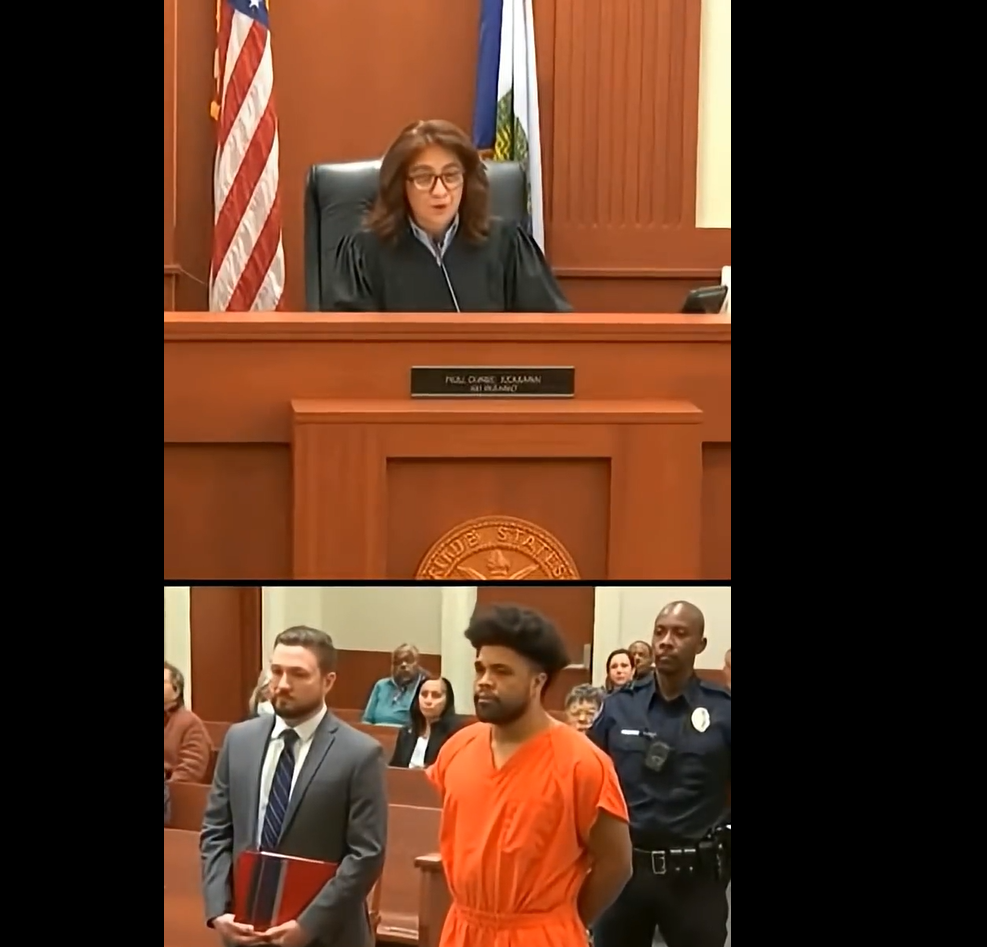
He could listen, let his attorney speak when appropriate, and respond when the judge gave him the opportunity.
Judge Carter returned her attention to the file, ready to move on to the next matter. She had not promised Marcus a favorable result, courtroom discipline
and she had not decided the case based on a single exchange. Her responsibility was to apply the law fairly, not to create a dramatic moment for the people watching.
For Marcus, the lesson was still important. Respecting the court would not erase the allegation or guarantee a particular outcome. It would, however,
allow the hearing to proceed without unnecessary disruption and give the legal process room to do its work.
Sometimes, courtroom discipline is taught without shouting, threats, or grand speeches. A calm judge, a clear instruction,
and a defendant willing to listen can make the point just as powerfully. And as Marcus waited for the next stage of his case, one question remained: would he show the same patience when the decision finally arrived?
Editorial note: Marcus Reed, Judge Elaine Carter, Daniel Brooks, and the events in this article are fictional. The story is inspired by the visible courtroom scene; the video alone does not establish the identities, charges, dialogue, or outcome of an actual case.