
He Laughed in Court… Then the Judge’s 3 Words Changed Everything
When Ethan Brooks laughed in court, everyone in the room turned toward him. The judge paused and looked directly at the defendan
One nervous laugh. One angry look from the judge. And suddenly, everyone in the courtroom was watching him.
Why He Laughed in Court at the Worst Moment
Twenty-nine-year-old Ethan Brooks thought he could laugh off an uncomfortable moment during his hearing. But when Judge Richard Coleman stopped speaking and looked directly at him, Ethan realized he had made a terrible mistake.
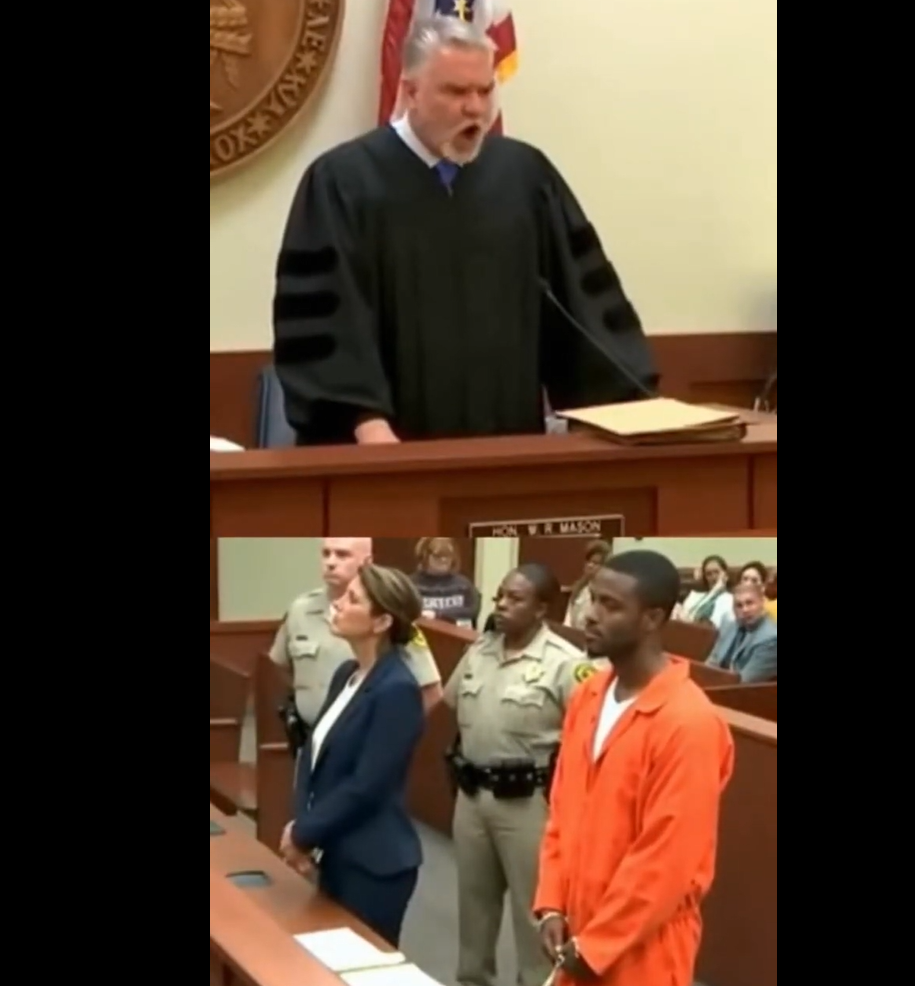
His attorney tried to intervene, the courtroom fell silent, and the next three words from the judge changed the entire mood of the hearing.
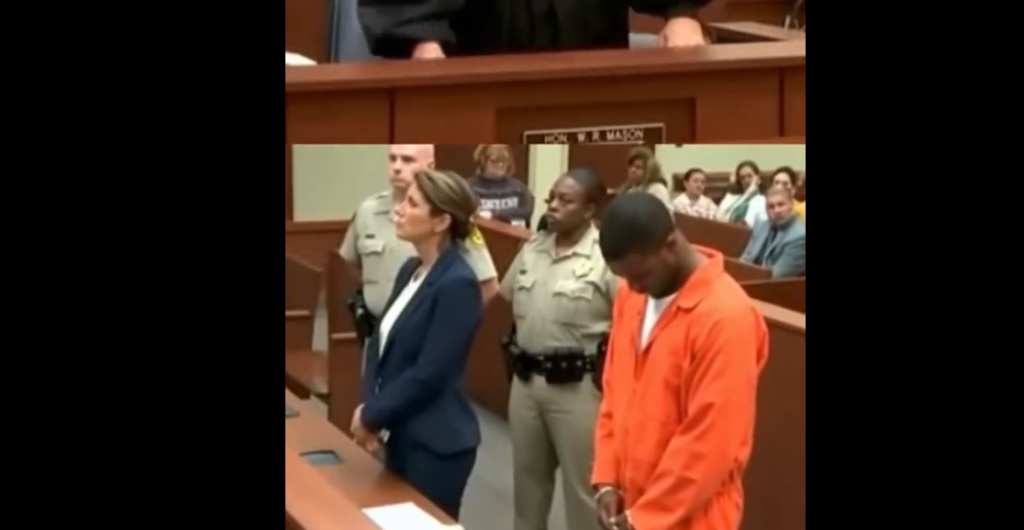
Ethan stood beside his attorney, Laura Bennett, wearing an orange jail uniform. He had spent several weeks worrying about his case, his job, and the family members waiting for him at home.
He wanted the hearing to go smoothly, but the pressure was getting to him. Every question from the judge made him more nervous, and he kept glancing toward the back of the courtroom and after they laughed in court
where his older brother, Daniel, sat quietly. Daniel had promised to be there for him, but Ethan was afraid of disappointing him again.
Judge Coleman adjusted the papers on his bench and began explaining the conditions Ethan would need to follow if the court approved his request. “Mr. Brooks, I need you to understand that this is a serious matter. You will be expected to follow every condition ordered by the court.
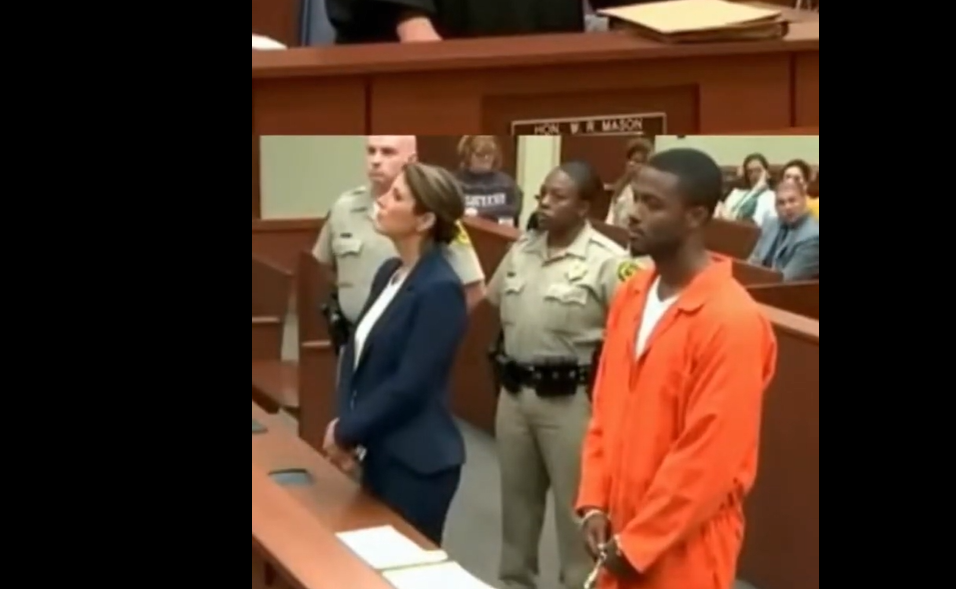
Ethan nodded, although his attention was divided between the judge and the people watching him. His attorney leaned closer and whispered,
“Ethan, stay focused. Let him finish, and then answer whatever he asks you.”
For a moment, everything seemed fine. The judge continued reading, and Ethan stood quietly with his hands clasped in front of him. Then he glanced toward Daniel.
His brother gave him a small, encouraging smile, and Ethan responded with an awkward grin. Trying to hide his nerves, he let out a short laugh. It lasted barely a second, but the timing could not have been worse.
Judge Coleman stopped speaking. and see him laughed in court
“Mr. Brooks, is there something funny about what I’m saying?”
Ethan’s smile disappeared. “No, Your Honor. I’m sorry.”
“Then why are you laughing?”
Ethan shifted his feet. “I’m just nervous, sir.” and not laughed in court
His attorney immediately stepped forward. “Your Honor, my client is under considerable stress. He understands the seriousness of these proceedings.”
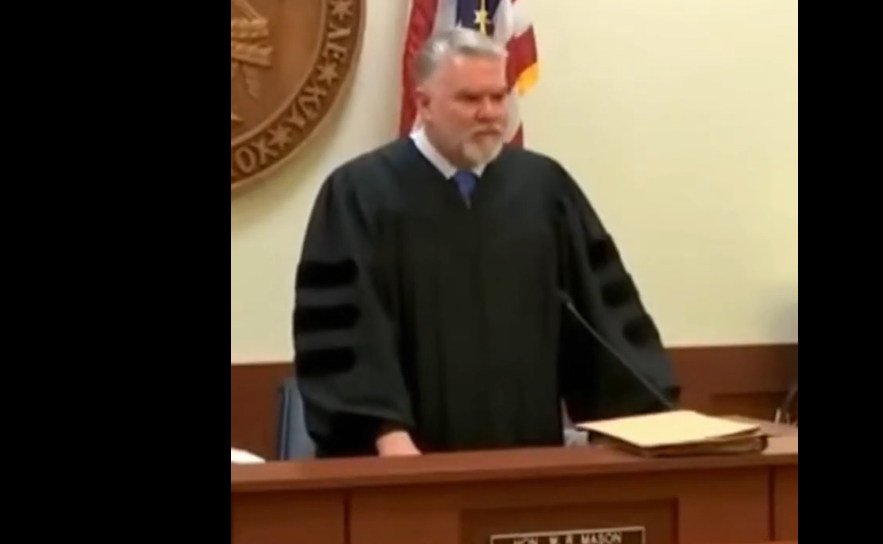
But Ethan made the situation worse. Embarrassed by everyone’s attention, he muttered, “It’s not like I did anything that bad.”
Laura turned toward him with disbelief. “Ethan, please stop talking.”
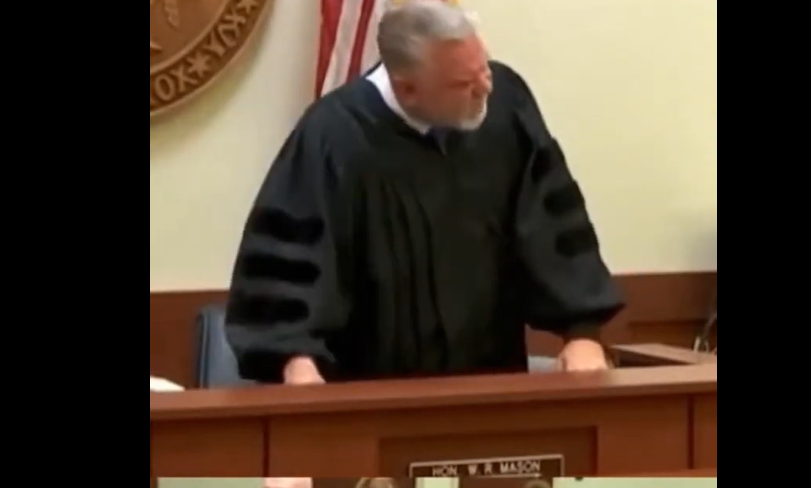
The judge placed his papers on the bench. His expression was no longer patient. “Mr. Brooks, you have been given an opportunity to explain yourself. Instead of listening, you are making comments that suggest you don’t understand the seriousness of this hearing.”
Ethan shook his head. “That’s not what I meant.”
“Then listen carefully,” the judge replied.
Ethan looked down, but frustration was beginning to replace his nervousness. He felt as though everyone was judging him for a single mistake. “I said I was sorry. What else do you want me to do?”
Laura quietly answered, “Let the judge finish.”
Ethan opened his mouth again, but Judge Coleman raised his hand. The entire courtroom became silent.
Then the judge delivered three words.
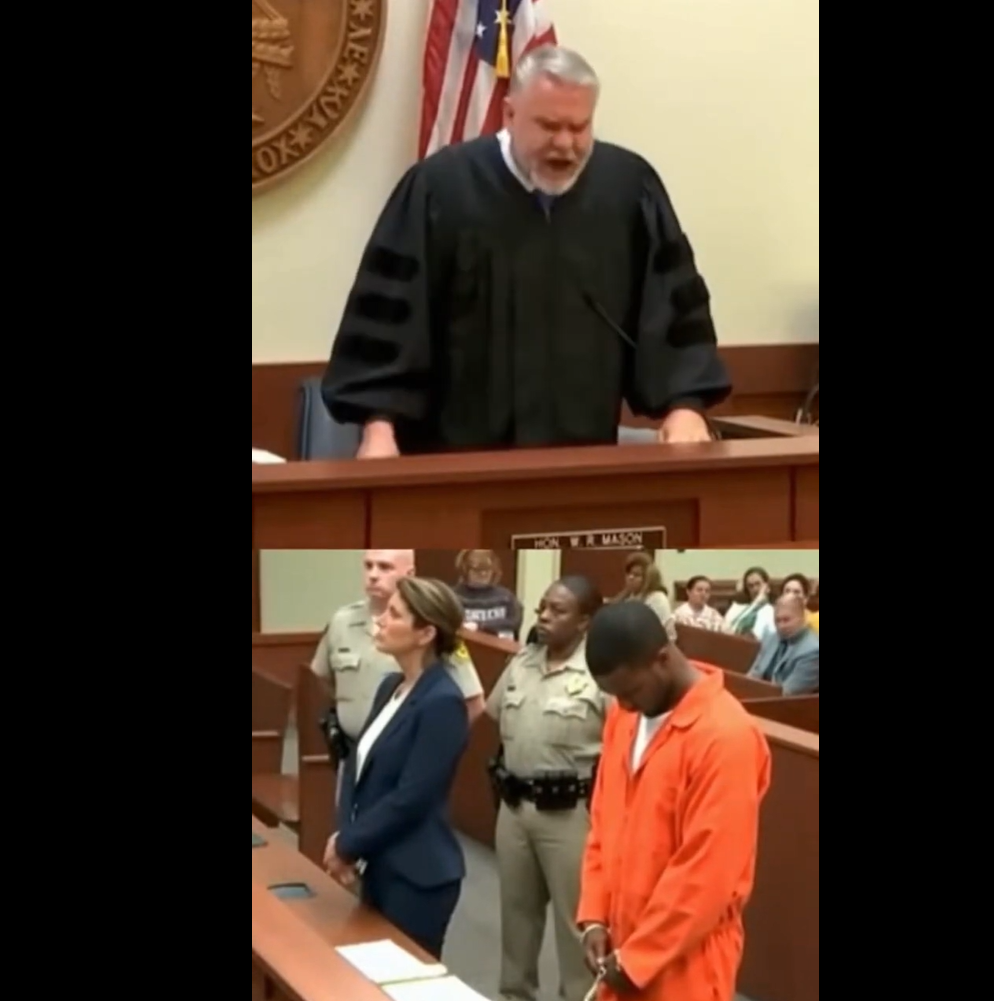
“Think before speaking.”
The words were simple, but they landed harder than Ethan expected. The judge continued, explaining that nervousness was understandable, but interrupting the
court and dismissing its concerns would not help his situation. He wasn’t asking Ethan to pretend he wasn’t frightened. He was asking him to show that he could listen, understand instructions, and respond responsibly.
Ethan finally stopped arguing. He looked toward his attorney, who gave him a small nod. For the first time that morning, he took a slow breath instead of rushing to defend himself.
“Your Honor,” he said quietly, “I’m sorry. I wasn’t laughing at you. I was nervous, and when everyone looked at me, I got embarrassed. Then I started talking without thinking.”
Judge Coleman listened without interrupting.
Ethan continued, “I’ve been worried about what’s going to happen to me. My brother has been helping my family while I’ve been away, and I feel like I’ve let everyone down. I didn’t know how to handle it, so I tried to act like nothing bothered me.”
Daniel lowered his head in the gallery, visibly emotional. Laura placed her folder on the table and gave Ethan time to finish.
The judge’s expression softened slightly. “Mr. Brooks, being nervous doesn’t make you a bad person. But how you respond to pressure matters. You can explain your feelings without disrespecting the process.”
Ethan nodded. “I understand, Your Honor.”
The hearing continued, and the judge considered the relevant information before addressing the next steps in the case. Ethan’s nervous laugh did not automatically
determine the outcome. His legal circumstances had to be considered on their own merits. But the moment had taught him something important: he could not control every uncomfortable situation, yet he could choose how to respond.
When the hearing ended, Laura gathered her papers and turned toward him. “You made it harder than it needed to be,” she said gently.
“I know,” Ethan replied. “I should’ve just listened.”
She nodded. “Remember that next time. You don’t have to pretend you’re not scared. Just don’t let fear speak for you.”
As Ethan was escorted out of the courtroom, he looked toward Daniel. His brother stood and gave him a reassuring nod. Ethan returned it, no longer trying to hide behind a smile or a careless joke.
The moment had not magically solved his problems, but it had forced him to face the way he reacted when life became overwhelming. And sometimes, recognizing that pattern is the first step toward changing it.
The Lesson
A nervous laugh can happen to anyone, but refusing to take responsibility can turn an awkward moment into a bigger problem.
Think before you speak, listen before you react, and never let embarrassment push you into disrespecting someone who is trying to explain something important. One mistake doesn’t have to define you. What matters is what you learn from it.