
He Thought His Post Was Deleted… Until It Came Back to Court!
Sometimes, one social media post can change your whole life. Social media can be used as evidence in court and reveal messages, comment and threats that you may think have been deleted Social Media Evidence in Court
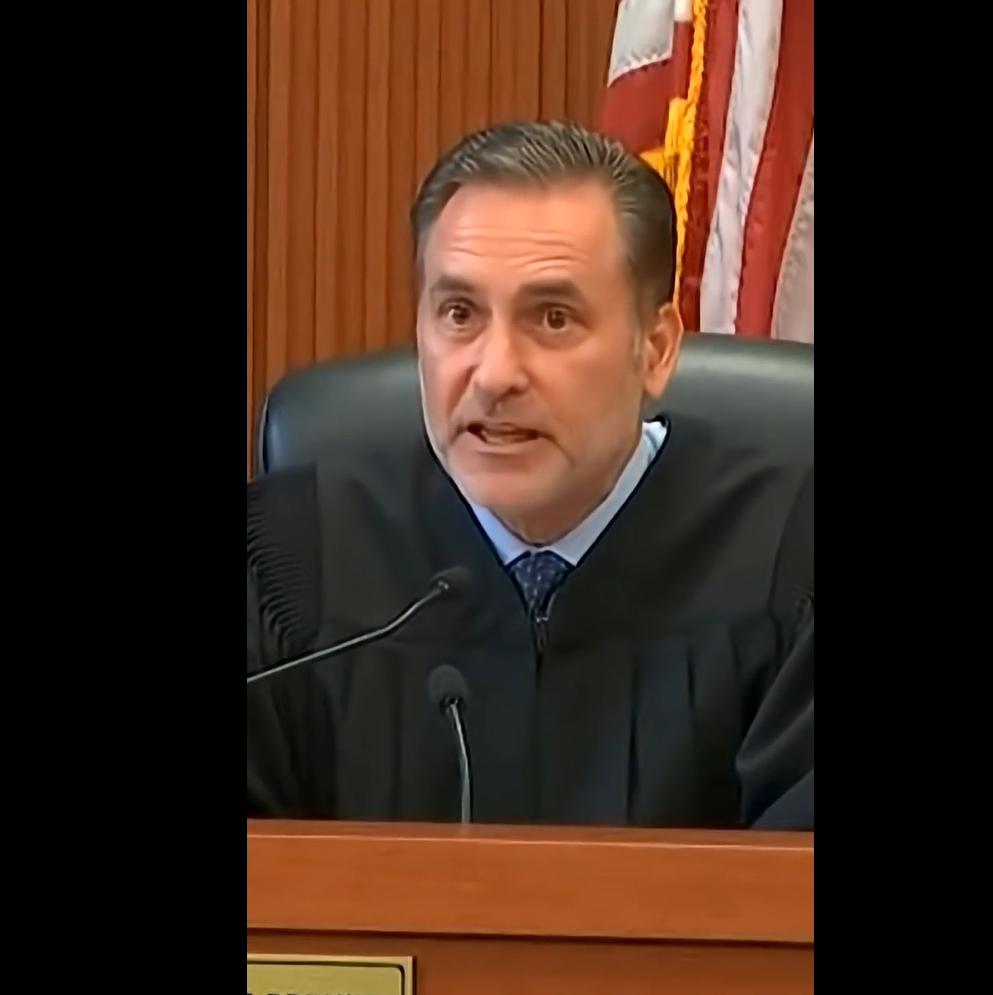
Daniel Brooks thought that deleting his angry post would mean nobody would know what he said. However, when a screenshot of the post came up in his legal dispute and Social Media Evidence in Court
Daniel began to feel unsure. Due to the Judge Michael Harris explaining the importance of our online actions, Daniel learned a valuable lesson that would change the way he uses the internet.
The Post How Social Media Evidence in Court Can Affect a Case
Daniel Brooks is 26 and spends a lot of his downtime online. Like millions of others, he posts photos, reacts to current trends and shares jokes with his friends.
Most of the time, he wouldn’t give any thought to what he was posting. If he got likes or his friends laughed then he would consider it a success.
However, Daniel tends to type before he thinks.
A few months ago, Daniel had a serious disagreement with an old friend of his, Marcus Reed. The argument began as they had borrowed and paid back money to each other.
They initially tried to sort the issue out privately but soon the discussion became heated and they both accused each other of lying.
Daniel wanted to have the last word.
Instead of backing off he posted a mocking post to Marcus. His caption read “Marcus better hope he doesn’t challenge me”. Daniel felt very confident and powerful so posted it. His friends replied with laughing emojis and he moved onto other things.
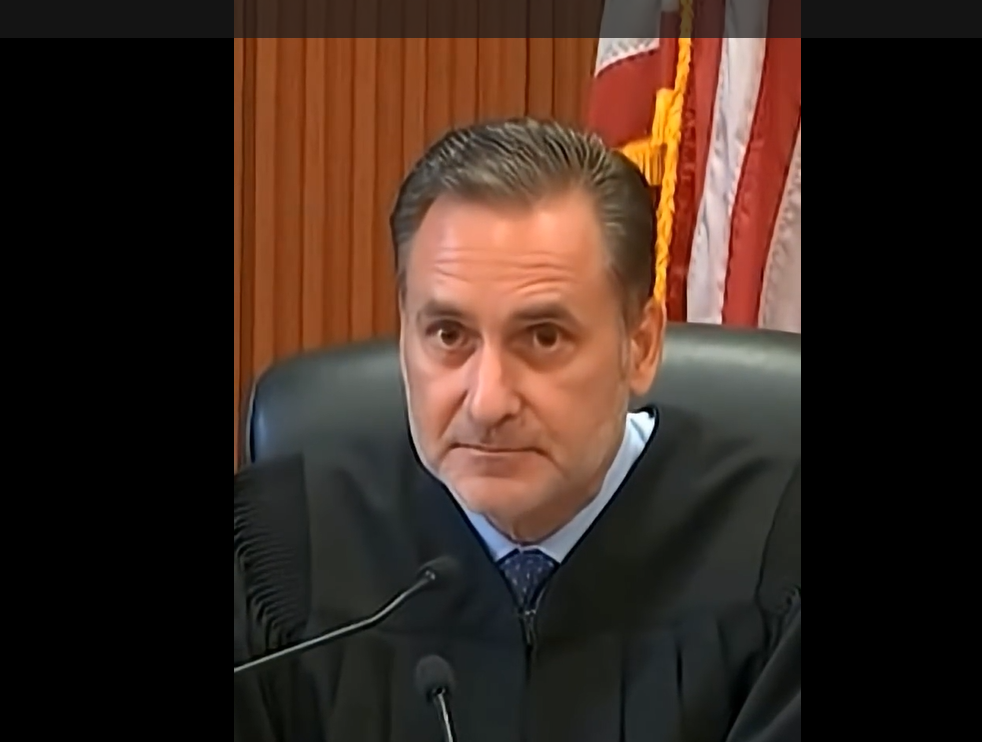
Little did he know that someone had saved a screenshot.
How Social Media Can be Used As Evidence in Court
Weeks later, Daniel’s disagreement became an issue in his legal dispute. The screenshot came up and caught peoples’ attention.
Daniel was stunned. He had deleted the original post and assumed that would be the end of the issue. He couldn’t understand why it would suddenly come back.
Rachel Bennett his attorney explained that just because you delete a post, doesn’t mean that there aren’t copies. Somebody may have saved a screenshot,
downloaded it or shared it. Depending on the circumstances, it may become relevant to your case.
Rachel also explained that whilst a screenshot may not prove everything, it is still important to consider if the screenshot is genuine, relevant and in context.
Social media evidence can raise questions when people seem to be saying conflicting things online.
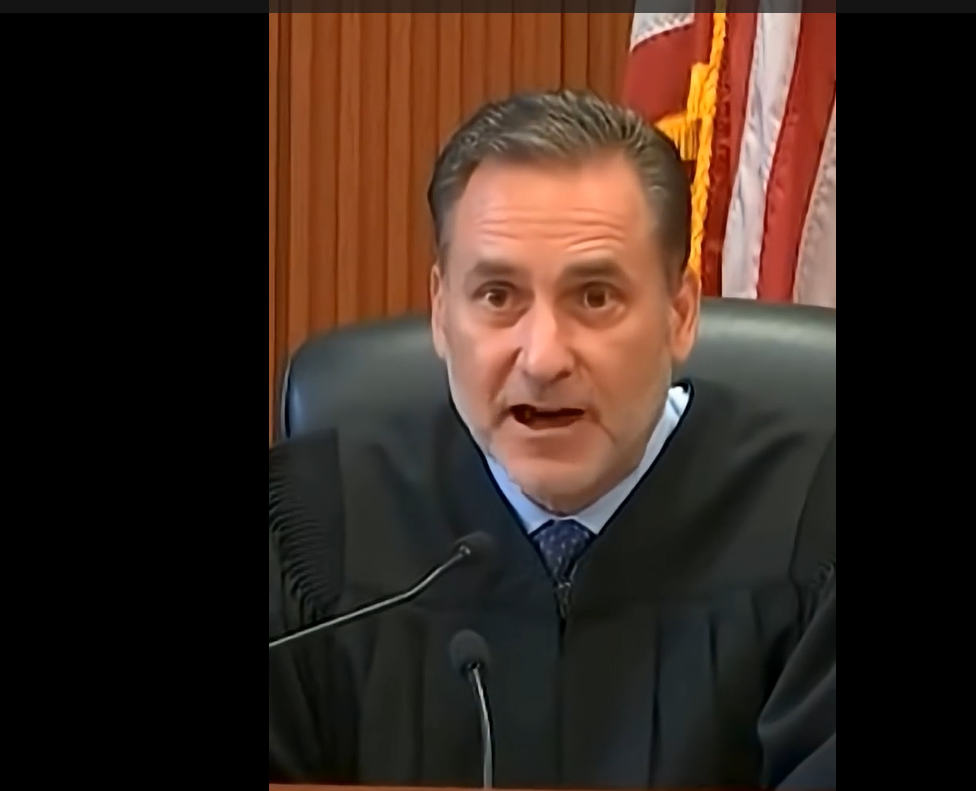
Daniel began to realise that his post wasn’t necessarily gone, it was just gone from where he expected it to be.
The Judge Reminds You
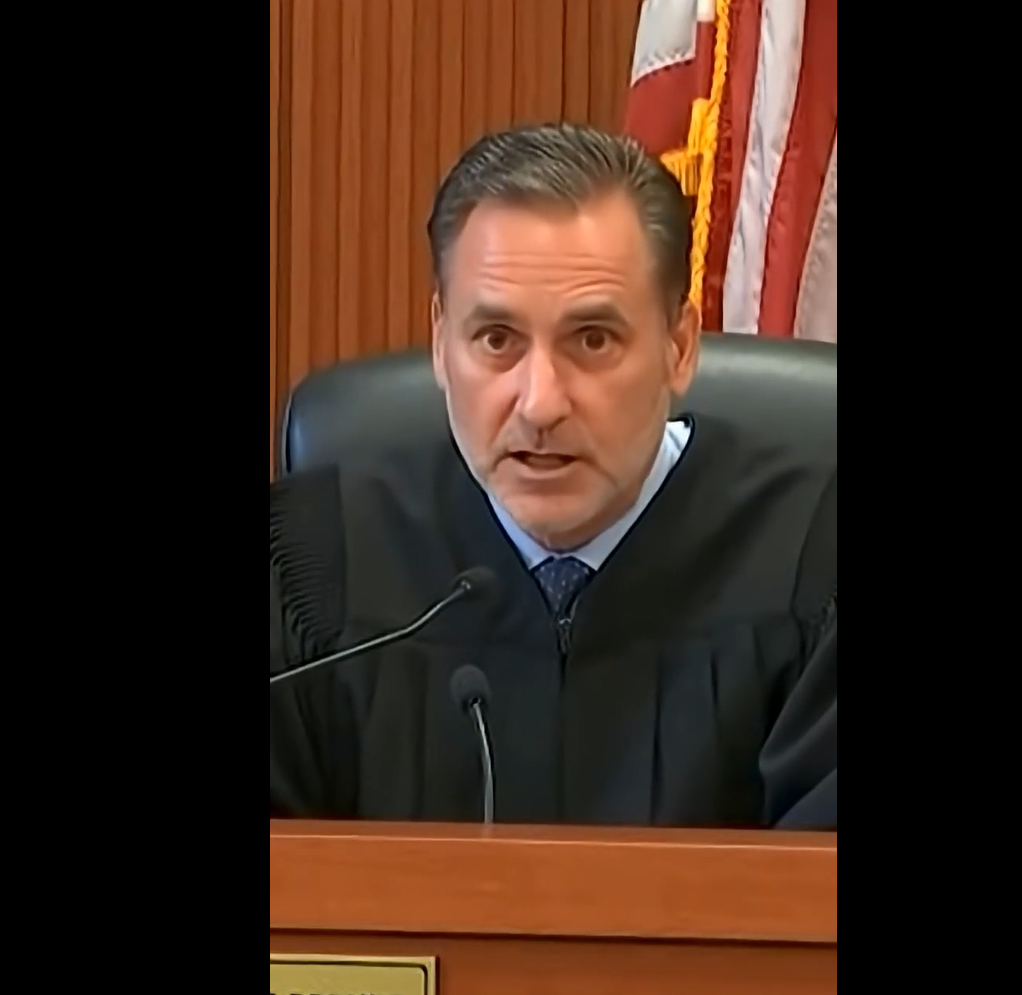
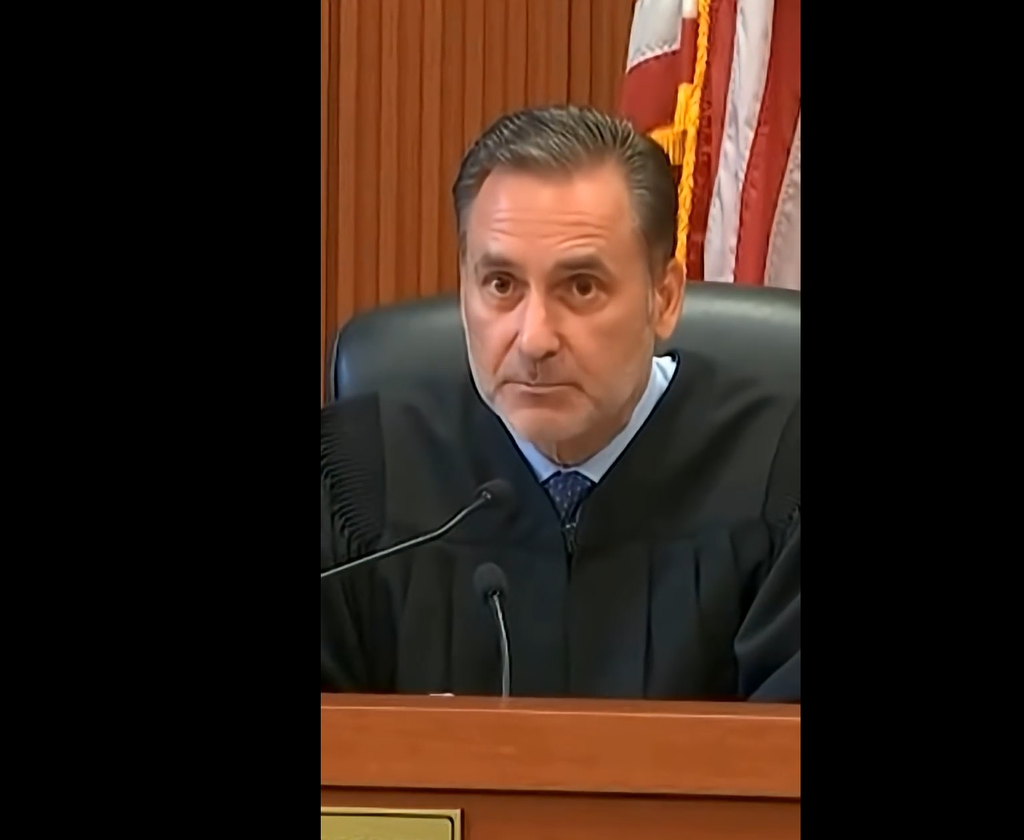
Judge Michael Harris looked very serious as he went through the issue. He didn’t need to raise his voice or make any big gestures, he remained calm and composed which made the situation feel more serious.
The message was clear. What you do online can have real life implications.
Sometimes social media can feel like a place where you can say whatever you like without thinking about the future. People often post angry comments,
accuse others, share personal conversations or threatening messages because they believe the situation won’t last long.
However, what you post can go far.
A message you post in frustration could be seen by your employer, lawyer or in court months later. Whilst the meaning of a post will depend on what was said
context and circumstances, it can be a serious mistake to assume that what you do online is harmless.
Daniel was beginning to realise that what he said can have real life implications.
The Realisation
Standing next to Rachel, Daniel began to think back to the night he posted the caption. He was upset and wanted his friends to know he wasn’t scared of Marcus. He never imagined that the words he said would be looked at formally.
He felt embarrassed.
Rachel told him to keep relevant records, be honest and do not discuss the situation on social media. She didn’t make any promises but reminded him that the best thing
to do is face the facts and take the correct legal advice.
Daniel realised that trying to win an argument online had caused him a problem that couldn’t be fixed with another post.
He also realised that deleting content once the situation has begun may not solve the issue. In some situations deleting or changing relevant content could cause further issues.
If you are currently involved in any legal issues seek professional legal advice.
Can Deleted Social Media Posts Be Used As Evidence?
This is a common question asked when people find out that an old post or message has come back.
Depending on the law and circumstances, posts, messages, photos and screenshots can be used as evidence in some cases. However, whether they are relevant, genuine, acceptable and what they mean will depend on the details.
A screenshot on its own doesn’t prove or show that somebody is guilty. The courts will always try to be fair when looking at evidence.
The main thing to remember is, don’t panic! Think about what you have posted. Be responsible with what you say online. Don’t make accusations or threatening messages.
Don’t post when you’re angry. And never assume that just because you have deleted it nobody has kept a copy.
The Main Takeaway
The main takeaway from this courtroom story is that you are still accountable for what you do online.
Daniel’s situation shows us that a few careless words can cause long term issues. His problem wasn’t that he used social media. His problem was that he assumed that his anger wouldn’t affect other areas of his life.
Take your time when posting. Will you be okay explaining what you said? Taking a few seconds to think can save you months of unnecessary issues.
Social media evidence in court reminds us that what we say online can matter. What we post can be shared, saved, misunderstood and looked at in a different context.
Whilst the internet can feel like a temporary place, it can have long term consequences. Be careful with what you say, be respectful and remember that being responsible online
can protect you more than just your reputation. It can help you avoid turning a short lived emotion into a huge issue.
Lesson: Think Before You Post
The biggest lesson from this courtroom story is that nothing you post online should be treated as completely private or temporary.
A message written in anger, a threatening comment, or a careless social media post can be saved, shared, and potentially used as evidence in legal proceedings.
Deleting a post does not guarantee that every copy will disappear. Before posting anything, pause and think about the possible consequences. Remember,
a few seconds of anger can create problems that last for years. Use social media responsibly, choose your words carefully, and never let a temporary emotion damage your future.
[Note: Judge Michael Harris, Daniel Brooks, Marcus Reed and Rachel Bennett are all fictional characters. This video does not confirm that this case or conversation actually happened.]