
The Judge Finally Snapped at the Silent Defendant… Then His Lawyer Had to Apologize
The morning session in the Chicago, Illinois courtroom was tense. Twenty-seven-year-old Marcus Reed, in an orange jumpsuit and hand cuffs, looked down at the floor as he stood next to his attorney,
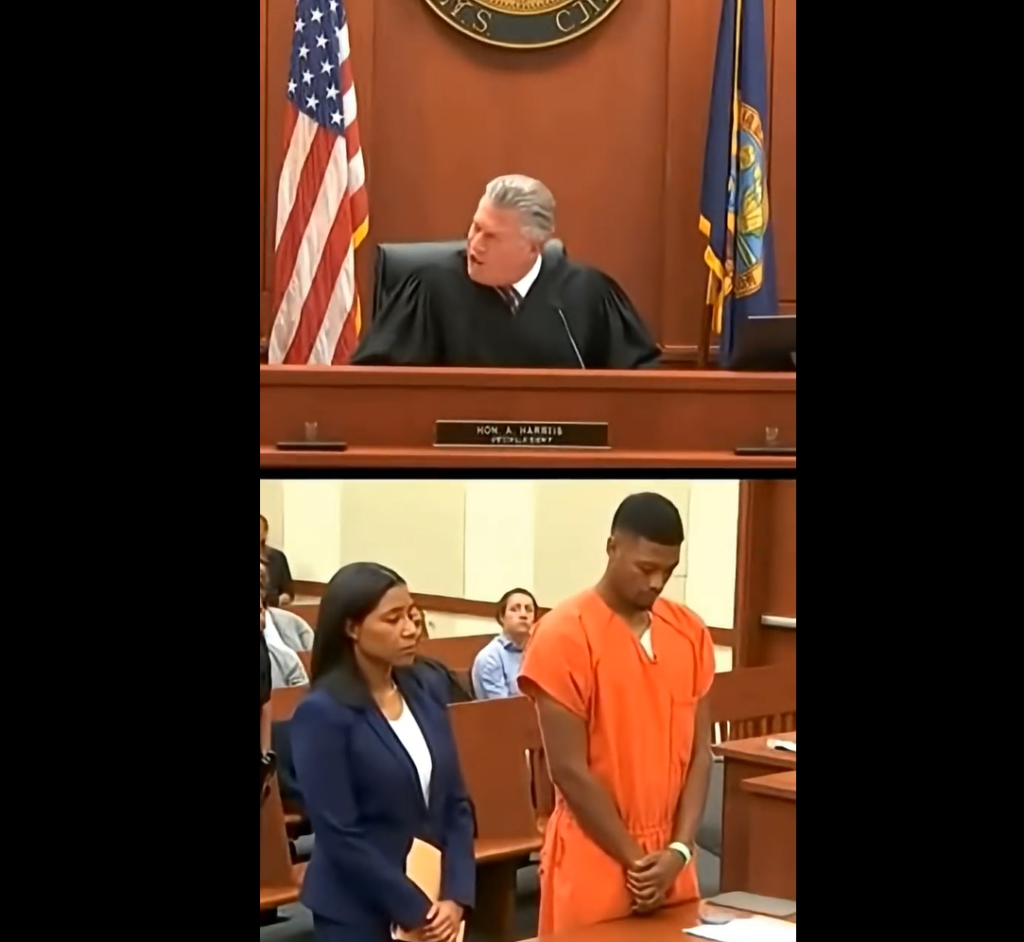
Laura Bennett. Every few seconds, he would glance up at his attorney, silently begging her to save him. On the bench the older judge, Richard Harper, scanned the case file.
The hearing had been postponed twice already and the judge was in no mood to listen to another outburst from the young man in hand cuffs. Laura leaned over and whispered to Marcus, “Just stay calm
and answer the judge’s questions.” Marcus gave a short nod.
The judge looked up from the file. “Mr. Reed, I asked you a question.” Marcus stayed silent. Laura immediately stood up. “Your Honor, he understands.” The judge looked at her. “Then why isn’t he talking?”
Laura looked at Marcus. “Marcus?” The young man continued to stare at the floor. “Mr. Reed,” said the judge, “this is your hearing. If the court asks you a question, you are to answer.”
Marcus finally looked up at the judge but still said nothing.
“This is ridiculous,” said the judge. “Do you understand me?”
The young man slowly nodded.
The judge shook his head in frustration, “A nod isn’t an answer.”
Laura leaned over and whispered, “Your Honor, I apologize. He’s been under a tremendous amount of stress.” The judge’s demeanor changed. “Counselor,
said the judge, “I’m fully aware of the circumstances. However, stress doesn’t excuse bad behavior in court.” Laura gave a short nod. “I understand,” she replied.
Suddenly the young man in hand cuffs whispered, “I’m sorry.” The judge heard him. “Then speak clearly, Mr. Reed.” Marcus took a deep breath. “Yes, your Honor.”
The judge went back to the papers in front of him. “Now we’re getting somewhere.” However, the hearing was more of a challenge than the judge expected.
The judge started asking questions regarding the past court orders concerning Marcus. Again, Marcus hesitated. “I don’t know,” he quietly replied.
“You don’t know?” demanded the judge. “I don’t remember,” said Marcus. “Mr. Reed,” said the judge as he placed the papers on the bench, “these aren’t questions about something that happened twenty years ago.
These are orders handed down by this court.” Marcus shifted uneasily in his seat. His attorney leaned over and whispered, “Just tell the truth.” Finally, the young man said,
I didn’t follow everything.” “Thank you,” replied the judge.
Then Marcus made the biggest mistake and looked away again
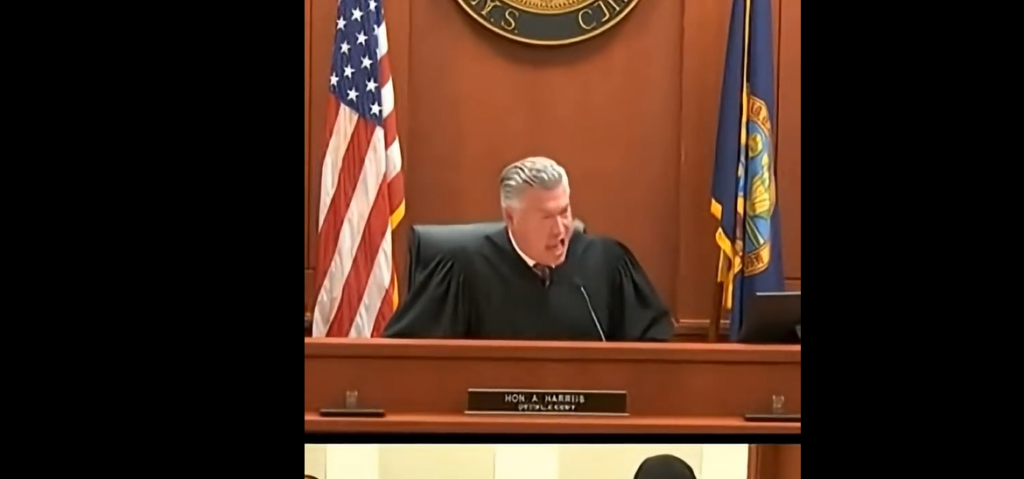
“Mr. Reed,” barked the judge, “look at me when I’m talking to you!” His words echoed throughout the courtroom and everyone froze.
Slowly, Marcus looked up at the judge. “You are in this courtroom because your actions have consequences,” continued the judge, “your attorney
is trying to help you and I’m trying to help you understand what happened. I can’t help someone who won’t communicate!”
The look on the young man’s face changed from anger to embarrassment. His attorney quickly stood up and said, “Your Honor, I apologize on his behalf.
The judge looked at Laura. “Counselor,” said the judge, “you don’t have to apologize for his answers.” “I understand, your Honor,” replied Laura.
He’s having a hard time.” The judge took a deep breath and lowered his voice. “Then tell me that. Instead of standing there and making me guess at your every word, just say it.”
Finally the young man said, “I’m scared.”
His words were so quiet, almost everyone missed what he said.
“What are you scared of?” asked the judge. The young man looked at his attorney then back down at the floor. “Going away,
he quietly replied. His voice shook as he continued, “I keep thinking about my little brother. He’s twelve and I promised him I’d be at his basketball game next month.
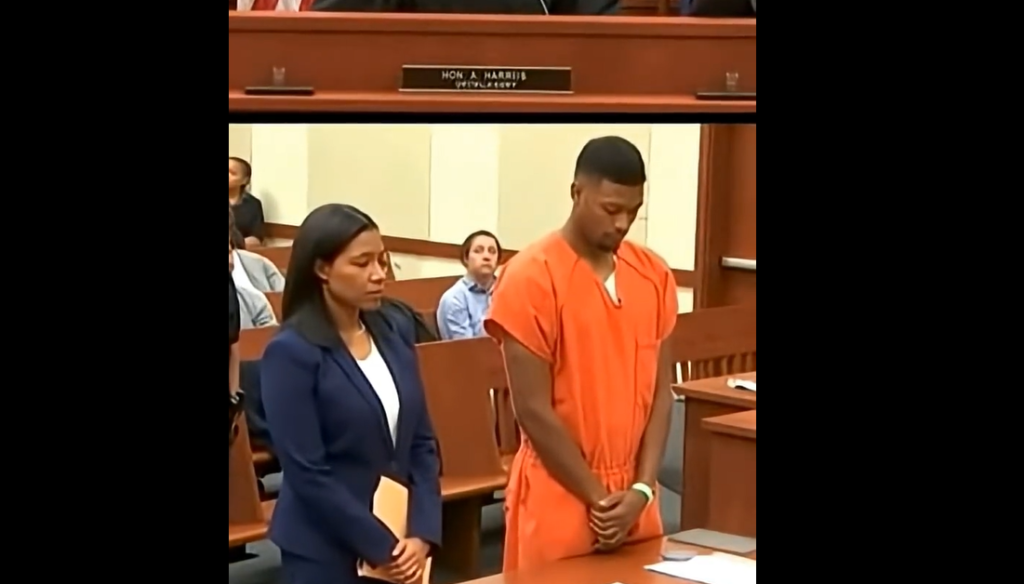
Laura’s expression softened as she listened to his words. “I know what I did was wrong,” he said, “I’m not saying it wasn’t. I’m just not used to standing here and listening to people talk about my future as if I have one.”
The room grew quiet again but this time it was a different kind of quiet.
The judge looked at the young man for a long time. “Mr. Reed,” said the judge, “being scared doesn’t give you an excuse to act like this.” “I know,” replied the scared young man. “However,
said the judge, “it should have been an easy thing for you to admit.” The young man wiped away some tears with his shoulder. “I didn’t know how,” he replied. “That’s why I’m here,” said Laura. Again the young man looked at his attorney and nodded.
The judge looked at Laura and said, “Ms. Bennett, I apologize for raising my voice.”Thank you, your Honor,” she replied. The judge turned back to face Marcus.
“And you Mr. Reed,” said the judge, “need to remember this. This court is not your enemy, however it is also not your salvation.” The young man took a deep breath.
“Yes, your Honor,” he replied. “If you’ve made a mistake, then own up to it. If you’re scared then be honest about it. If you don’t understand something, then ask. Don’t hide behind your silence and make other people guess at your pain.”
Again, the young man nodded. “I understand,” he said.
For the first time that morning, he answered without hesitation.
His answers were clear and direct as he admitted his failures to comply with the court’s orders. When the judge was finished, the young man quietly said, “I’m sorry for wasting the court’s time.” “Don’t waste the lesson,” replied the judge. The young man looked up.
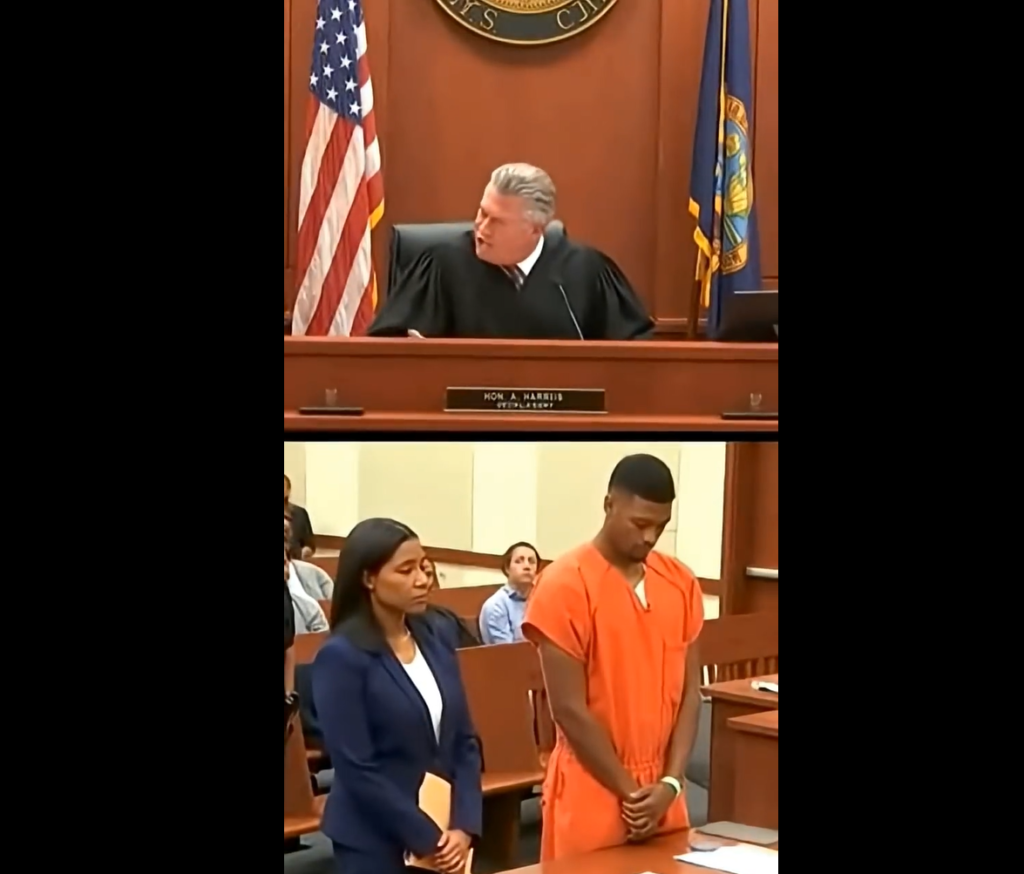
“What happens from this point on will be more important than anything you say in this room.” As the officers prepared to take Marcus back to his cell, Laura gathered her papers and stood next to him. “I’m sorry you had to apologize for me,” he quietly said. “Then don’t make me do it again,”
she replied with a smile. Marcus nodded. “I won’t.” He turned to face the judge. “Thank you for listening.” The judge replied, “Next time make it easier for me to hear you.”
Marcus was led toward the doors. He turned and looked back at his attorney and then at the judge. The tension in the room gradually disappeared. Gone was the
angry young man who had entered the courtroom that morning and in his place was a nervous young man who silently pleaded for a second chance.
Learning
Sometimes people get quiet when they’re afraid, embarrassed or stressed. However, silence often takes on a life of its own and people end up living with their fears and silent judgments. The best thing to do when fear, embarrassment or stress sets it is to be quiet for a moment,
take a deep breath then speak up and let people know what’s really going on. It is usually a good idea to make amends when you’ve acted unkindly toward others and apologize when you’re wrong. It’s also important to remember that communication is always the best solution to a misunderstanding.