
Margaret Dawson Faced a $1,500 Fine for Feeding Her Neighbors- Then the Judge Asked One Question!
On Thursday, 19th November 2026, 78-year-old Margaret Dawson attended a court in Columbus, Ohio. Despite the recent loss of her husband, Frank, she still wished to support her local community.
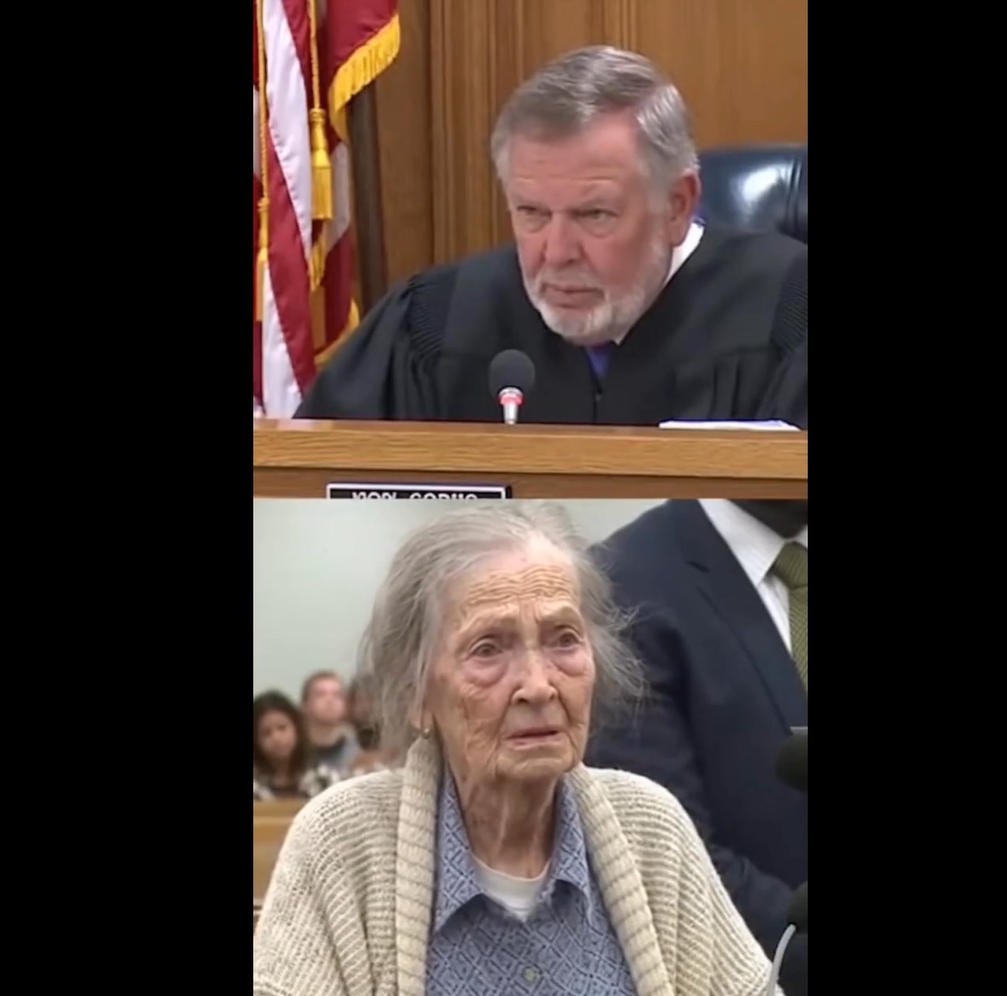
She had placed food, such as tins of soup and rice, in a sheltered cupboard outside her house. However, the city had issued tickets because the cupboard intruded upon the public footpath. Margaret now faced a total fine of $1,500.
As she sat in the courtroom, the Elderly Woman in Court attempted to explain to Judge Thomas Reed that she had never intended to cause anyone hardship. But when the judge mentioned a neighbour who used a wheelchair, Margaret’s expression suddenly changed.
Having lived on Linden Avenue for 36 years, Margaret found life in her house lonely following her husband’s death. So, she placed food in a cupboard close to her front door. Initially, this was to support a single mother from across the road who had become unemployed. Soon, however, other members of the community began adding food to the cupboard.
Known as ‘the little pantry,’ Margaret never required people to explain why they needed help, and there was no expectation of repayment. Her grandson, Daniel, had constructed a waterproof cupboard from spare wood and attached a board with the words:
“Take what you need. Leave what you can.”
When a Good Idea Led to an Issue
Although the cupboard received considerable community support, Margaret had failed to realise that it protruded beyond the footpath.
Mr Alvarez, another neighbour who used a wheelchair, struggled to manoeuvre past it. He politely requested that the cupboard be moved closer to the wall.
Although Margaret apologised, she was unable to shift the cupboard by herself. As Daniel was currently working away from home, she thought she would address the issue when he returned.
Sadly, a city inspector subsequently served Margaret with a notice explaining that the cupboard obstructed the accessible footpath. Further notices followed because the issue remained unresolved.
Margaret had not appreciated how quickly the fines were accumulating. Upon receiving notification of the court hearing, she discovered that the total had reached $1,500.
Although she was not afraid of challenging the city, she was extremely anxious because her pension income barely covered her monthly expenses.
The Elderly Woman in Court was now facing a financial burden she could hardly afford.
The Anticipated Court Hearing
Dressed in a cream cardigan and floral blue blouse, Margaret attended the hearing. Behind her, Daniel held together the documents she had carefully prepared. As he had helped construct the cupboard, he also felt partly responsible for the situation.
City lawyer Karen Walsh informed the court that legislation was in place to ensure that people using wheelchairs, walking frames and other mobility devices could safely access public footpaths.
Although the city was not seeking to prevent Margaret from supporting her community, it wanted the cupboard removed from its current position.
Judge Reed then addressed Margaret.
“Was anybody present to advise you as to why the cupboard should be repositioned?” he enquired.
Margaret clutched her hands nervously.

“Yes, Your Honor. Mr Alvarez told me. I didn’t want to make things difficult for him. I just couldn’t move it by myself.”
She paused before adding that she had been unable to reposition the cupboard without assistance.
Why Had You Not Sought Assistance Earlier?
The judge continued:
“After recognising that the cupboard did not allow safe passage, why had you not sought assistance earlier?”
Margaret lowered her gaze. Unfortunately, she had no easy answer to the question.
She admitted that she had felt embarrassed about requesting help from her neighbours, especially when she had spent so much of her life helping others.
Then Daniel unexpectedly spoke up.
He explained that he should have returned home sooner and accepted responsibility for helping his grandmother.
He volunteered to reposition the cupboard that very afternoon and promised to ensure that it no longer obstructed the footpath.
Margaret looked at her grandson in astonishment. Although she had been trying to protect him from responsibility, she realised that he had also been carrying a sense of guilt.
The emotional moment changed the atmosphere in the courtroom. The Elderly Woman in Court was no longer facing the situation alone.
An Alternative Means of Continuing to Support People
While acknowledging that good intentions were not enough, Judge Reed understood that Margaret’s intention had always been to support her community. She had never sought financial gain from the cupboard.
Within this fictional case, the judge allowed the family 14 days to relocate ‘the little pantry’ to a suitable area beside the community centre. Permission from the centre’s manager would also be required.
Furthermore, the judge suspended additional fines while the city verified that both the public footpath and the cupboard’s new location complied with local regulations.
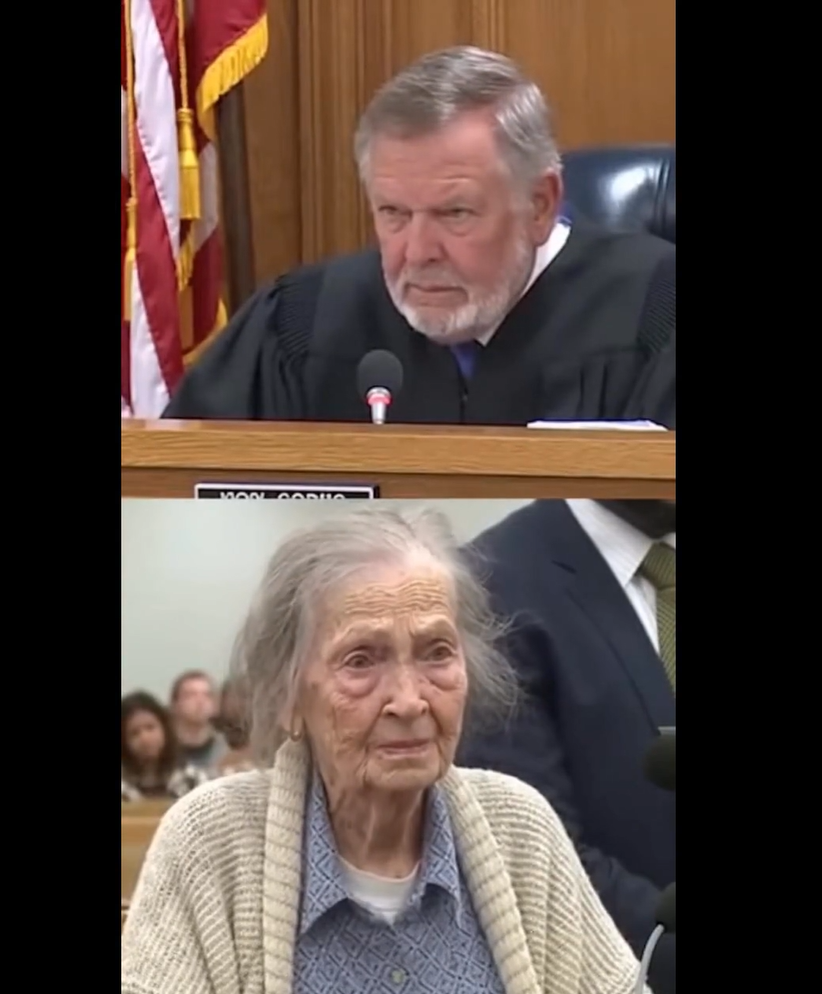
However, he did not immediately erase Margaret’s existing $1,500 debt. Instead, he arranged for the amount to be reviewed once Margaret had corrected the problem.
The city was also asked to consider her financial circumstances as part of its standard procedure.
Outside the courtroom, Daniel promised to help his grandmother relocate the cupboard. Later, Mr Alvarez also volunteered to assist Margaret in identifying an appropriate location for the little pantry, ensuring that it would be accessible to wheelchair users.
Margaret finally understood that she could continue supporting her community, but her efforts needed to include everyone.
The story of the Elderly Woman in Court demonstrated that compassion and accessibility should always go hand in hand.
What Can We Learn From This Fictitious Court Case Involving an Elderly Person?
Although this case is not real, there are several valuable lessons to learn.
While trying to support a community, it is important to listen when somebody explains that something is creating an obstacle. Kindness and accessibility should always work together.
If you receive a city notice, make sure you understand its requirements. Investigate anything that is unclear, maintain proper records and seek assistance before additional fines accumulate.
The video illustrates an elderly woman being heard by a judge in court. However, there is no confirmation of a food cupboard, a fine or even the reason behind the woman’s emotional reaction.
All these details have been created for this fictional narrative.
At times, the most significant form of support does not come from abandoning a good idea. Instead, it comes from adapting that idea so that everybody can benefit.
The emotional courtroom narrative of an Elderly Woman in Court reminds us that even the kindest intentions must be accompanied by consideration for others.
Read another emotional courtroom story
Official resource: USA.gov – Emergency Food Assistance
Note: Margaret Dawson, Frank Dawson, Daniel Dawson, Mr Alvarez, Karen Walsh and Judge Thomas Reed are all fictional characters. The date, tickets, $1,500 fine, courtroom dialogue and judicial decision are also fictional and have been created exclusively for this story. They are not based on confirmed facts from the video.