
Eleanor Brooks Faced a $4,800 Fine- Then the Judge Opened Her Green Folder!
On 6th October 2026, Eleanor Brooks (72 years old) sat at the table looking very nervous. She was wearing a grey cardigan over a white top and holding a green file.
On the bench sat Judge Michael Reed. Despite her best efforts, Eleanor struggled to speak without crying. She was very worried about being fined for not repairing the porch of her house.
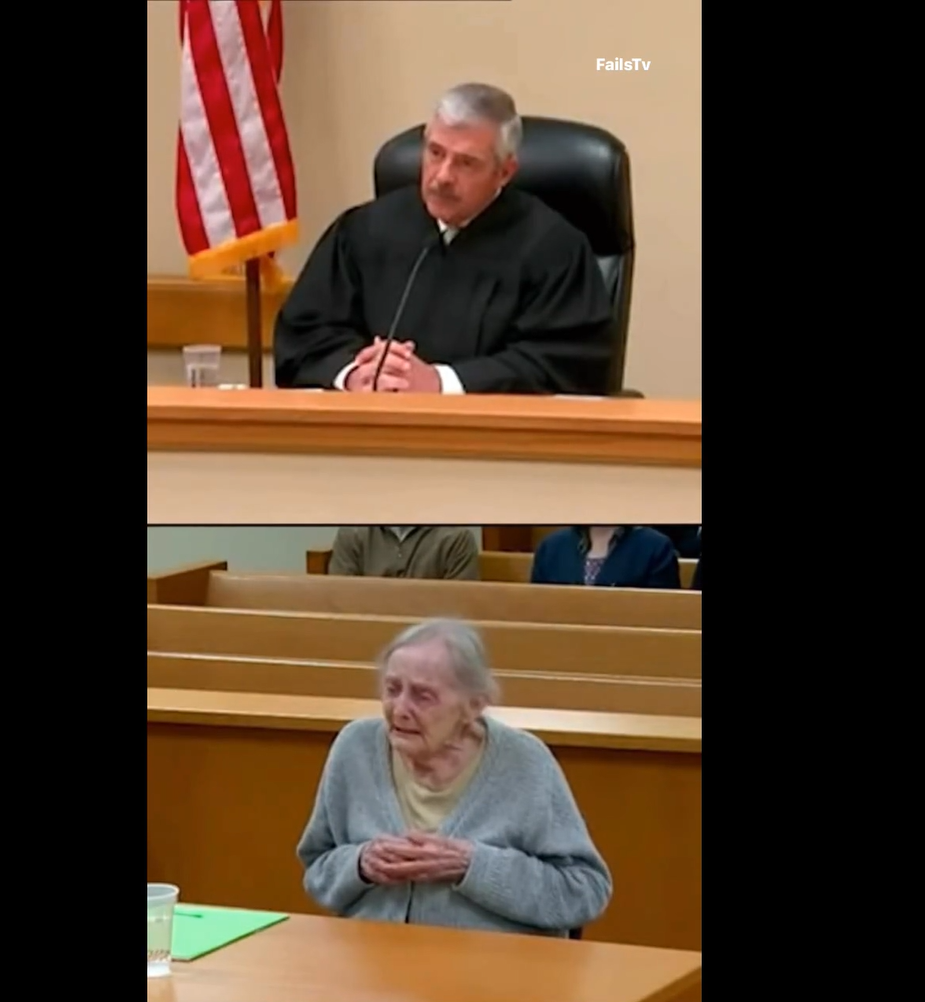
The house had been her home with her husband for 43 years. In front of the judge, Eleanor had only one thing to refer to: her green file.
The Home
Eleanor and her late husband, Frank, bought this home in Ohio. Frank built the porch, planted beautiful roses around the fence, and marked their children’s heights on the kitchen cupboard. After Frank’s death, Eleanor continued to maintain the house as best she could.
Although the stairs creaked and the paint was peeling, the property contained countless happy memories.
Although her daughter Lauren suggested moving to a smaller apartment, Eleanor refused.
“He put every piece of wood in this house with his own hands!”
However, Eleanor was struggling financially. Her pension only covered essential expenses such as bills, food, and medicine. For this Elderly Woman in Court, the house represented much more than a property; it represented 43 years of memories with her late husband.

A Contractor That Did Not Show Up
That spring, a contractor named Dale Mercer arrived to repair the porch and paint the house. He promised to complete the repairs quickly and requested a deposit. Eleanor paid him a total of $1,800 from her emergency savings.
However, after removing two damaged wooden planks, Dale left his tools in the garden and disappeared. Eleanor repeatedly tried contacting him by phone, but he never responded.
While Eleanor was trying to address the problems with her property, including a dangerous handrail, peeling paint, and overgrown weeds, she began receiving letters from the city.
Although she wanted to fix everything, she had already lost a significant amount of money because of the contractor. Due to late payments and daily surcharges, the total amount increased. When the matter reached the local council court, Eleanor owed $4,800.
The Court Hearing
Although Eleanor received the court notice, she was frightened about attending the hearing. Nevertheless, she decided to face the situation.
She gathered all her documents, including letters from the city, Dale’s quotation, the bank payment slip, text messages, and photographs showing the incomplete repairs. She carefully placed everything inside her green file.
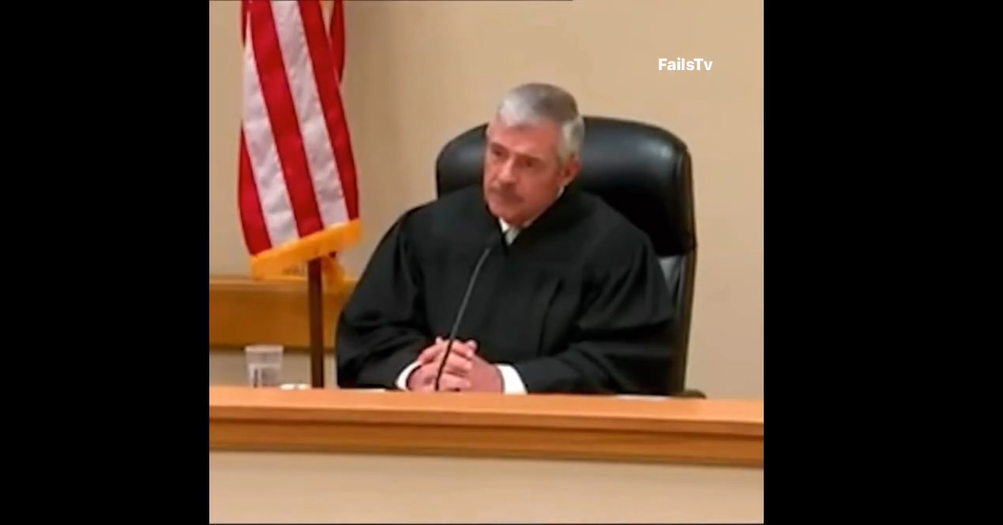
Amanda Price, the city’s lawyer, explained that several safety issues still needed to be resolved. Although she was not unkind to Eleanor, she emphasized that the property needed to meet the required safety standards.
Judge Reed reviewed the documents before turning towards Eleanor.
“Mrs. Brooks, do you understand why the city issued these notices?”
“I can fix the railing first. I made arrangements to have it repaired, but the man took my money and never did the work.”
Eleanor started crying. She became embarrassed and looked down at her hands.
The Evidence Inside Her Green File
Judge Reed asked Eleanor whether she had any evidence of the payment and the incomplete repairs.
Nervously, she opened her green file.
The first document was the contractor’s quotation. Next came the bank payment slip, messages requesting Dale to return, and photographs showing the unfinished work.
She had saved everything because she was afraid nobody would believe her.
Judge Reed carefully examined the documents. He did not immediately fine Eleanor or declare Dale guilty. Instead, he asked Amanda Price to review the evidence and identify which repairs were essential for safety.
He also requested information about which repairs Eleanor could realistically complete and how much time she would need.
“My daughter can help me find a licensed contractor for the rest. I just need a little time. I don’t want anyone getting hurt, and I don’t want to lose my home.”
For the first time, Eleanor stopped repeatedly apologizing and clearly explained what had happened.
The courtroom fell silent.
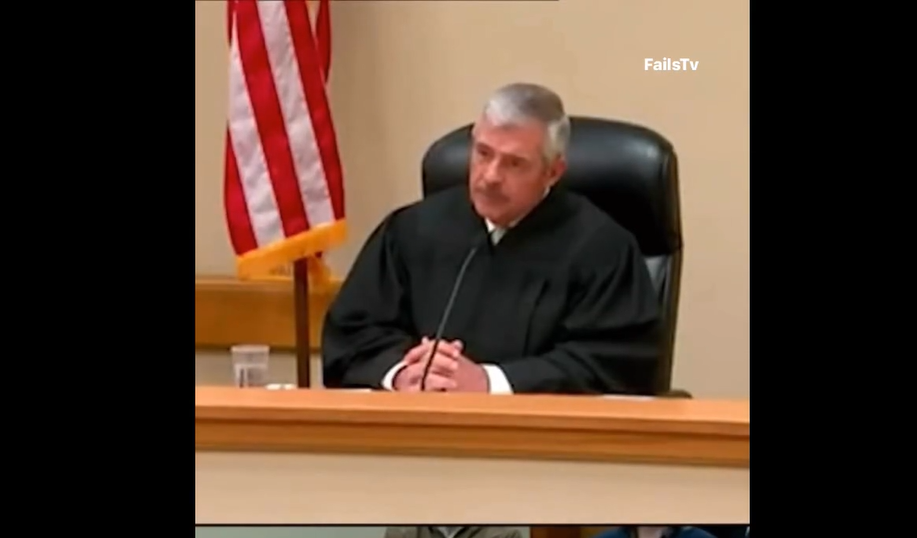
Her green file had finally helped her explain the situation.
A Fair Opportunity for the Elderly Woman in Court
Although Eleanor received additional time for the city to consider her evidence, she was still fined.
However, the court gave her 45 days to submit a repair plan, with priority given to fixing the dangerous handrail. A further hearing would be held to determine whether any adjustments to the fine were appropriate, depending on the evidence and progress made.
Outside the courtroom, Lauren gave her mother a big hug.
“You should have told me how bad things had become,” Lauren said.
Eleanor admitted that she had felt too embarrassed to ask for help.
Lauren promised to help find licensed contractors, compare quotations, and carefully review contracts before making any further payments. Their first priority would be repairing the unstable handrail.
For this fictional Elderly Woman in Court, the hearing was not simply about a fine. It was about having an opportunity to explain her circumstances and find a realistic way forward.
What We Can Learn From This Case
Although this case is fictional, it illustrates an important lesson. Receiving a fine does not always mean there is no explanation behind the situation.
Keeping evidence such as official letters, receipts, photographs, payment records, and written correspondence can make a significant difference when explaining your circumstances.
If you hire someone to carry out repairs on your property, make sure they are properly qualified. Always request written quotations, read contracts carefully, and keep copies of payment records.
Sometimes, people facing difficulties need a fair opportunity to resolve problems. The story of this Elderly Woman in Court highlights why presenting evidence and explaining your circumstances can matter.
Eleanor did not ask the court to ignore the rules. She simply wanted a reasonable opportunity to repair her home and protect the memories she had shared with her late husband.
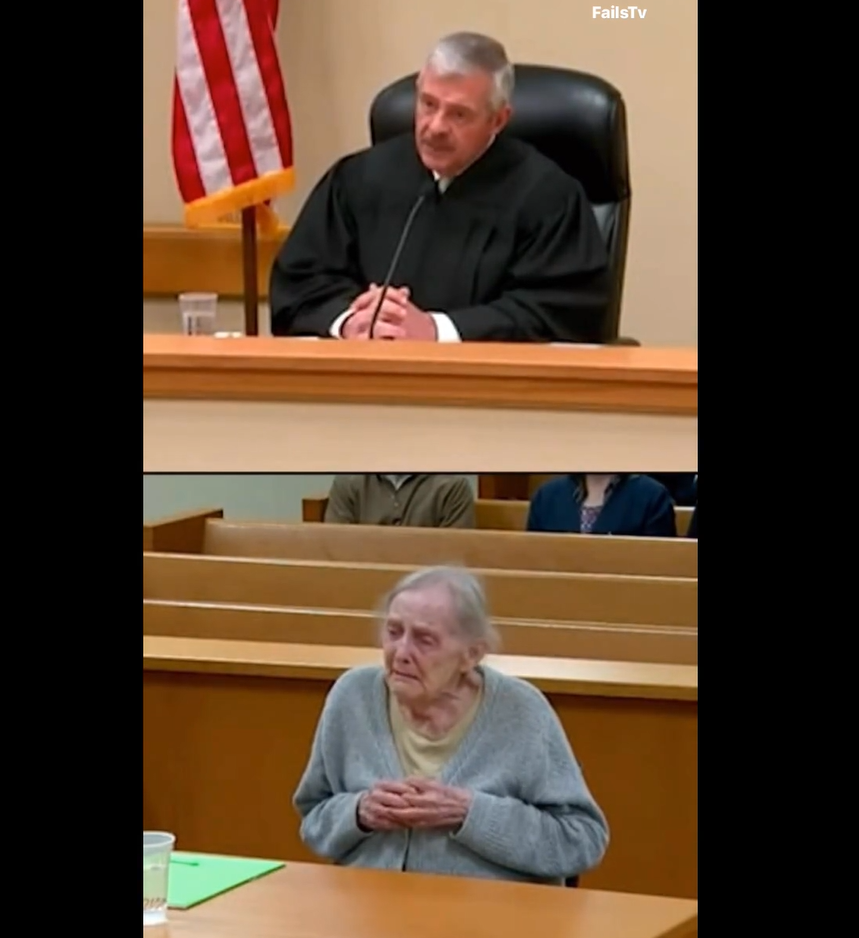
She was brave enough to tell the truth and present the evidence she had carefully collected in her green file.
Important Fictional Story Disclaimer: Eleanor Brooks, Frank Brooks, Lauren Brooks, Dale Mercer, Amanda Price, and Judge Michael Reed are all fictional characters. The date, fine amount, contractor dispute, dialogue, and legal proceedings described in this story are entirely fictional.
Read another emotional courtroom story
Official resource: Federal Trade Commission – Home Improvement Scams
The original video only shows an older woman sitting in court with tears in her eyes. It does not establish her identity, the reason for her emotional reaction, the amount of any fine, or the outcome of the actual proceedings.
This fictional story should not be interpreted as a factual report about the woman shown in the video.