
Raymond Foster Tried to Explain His Past… Then the Judge Pointed at Him!
Raymond had spent most of his life working with his hands. He fixed heating systems in flats and took pride in being able to fix things that others had given up on Older Defendant’s Courtroom Plea
He would often come home covered in grime and would give his daughter, Emily, a small chocolate bar.
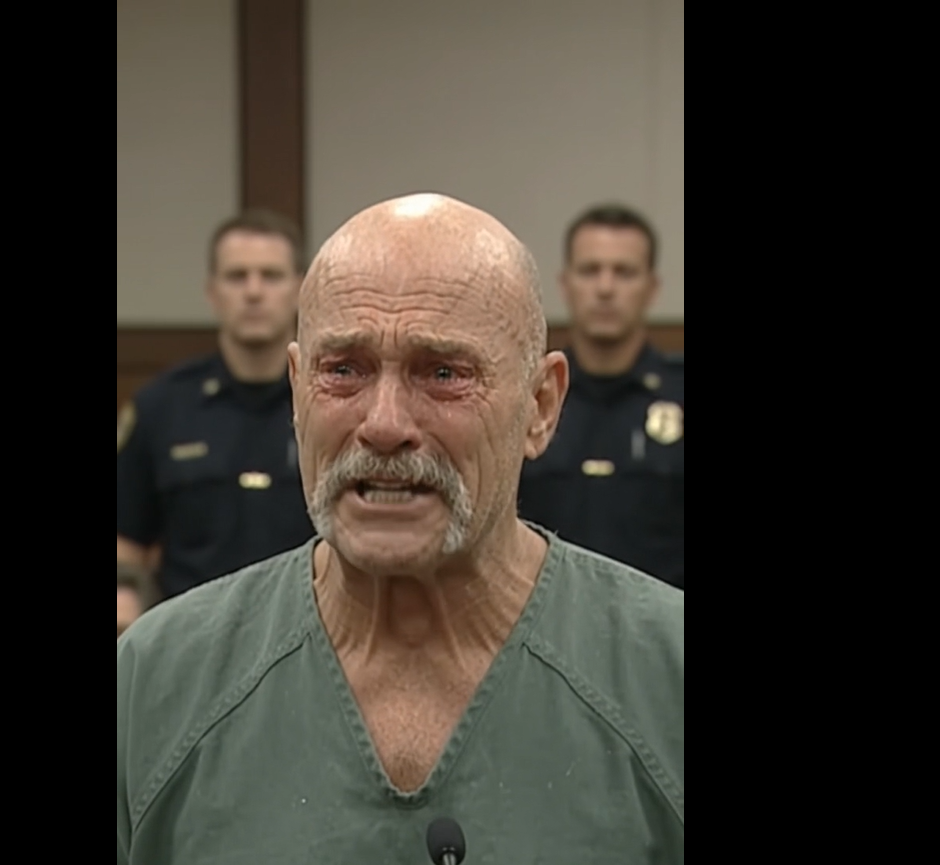
However, after Raymond’s wife passed away he found things difficult. It was very quiet in the house and he missed going to work. He also began to get behind on his bills.
He did not want to seem like he couldn’t cope so refused help from his daughter.
“I’ve handled worse.”
Raymond made some poor decisions and got involved in a situation with his neighbour. He did not want to worry his daughter so decided not to explain what happened. This made him feel like he was keeping his daughter in the dark.
The Older Defendant’s Courtroom Plea That Made Everyone Listen
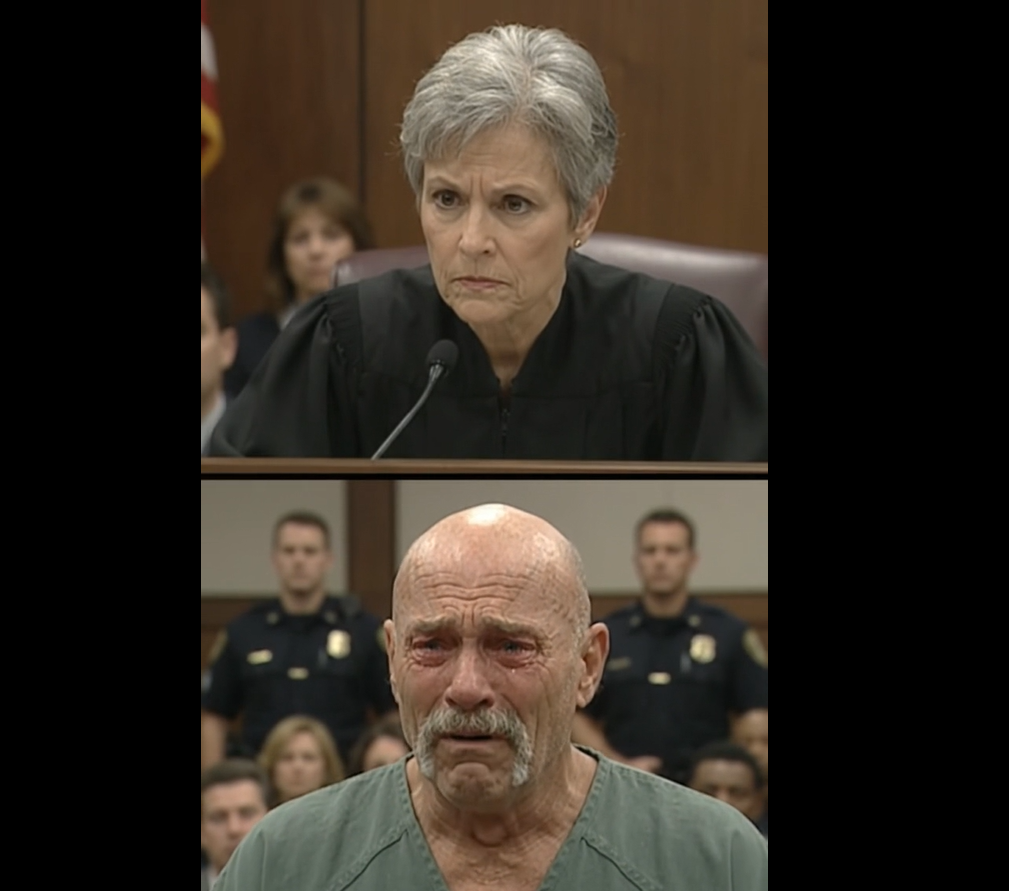
Raymond stood in front of the microphone wearing his green prison clothes. His lawyer, Melissa Grant, reminded him not to speculate or embellish.
“Just tell the court what you remember.” If you don’t know something just say you don’t.
He nodded. He could see people in the court behind the barrier. He wasn’t sure if his daughter was there. He had told her not to come but a small part of him hoped she would.
Judge Eleanor Whitaker began to recap the situation. As Raymond started to speak, she raised one finger to emphasise what she was saying. Raymond stopped and tried to think of what to say next.
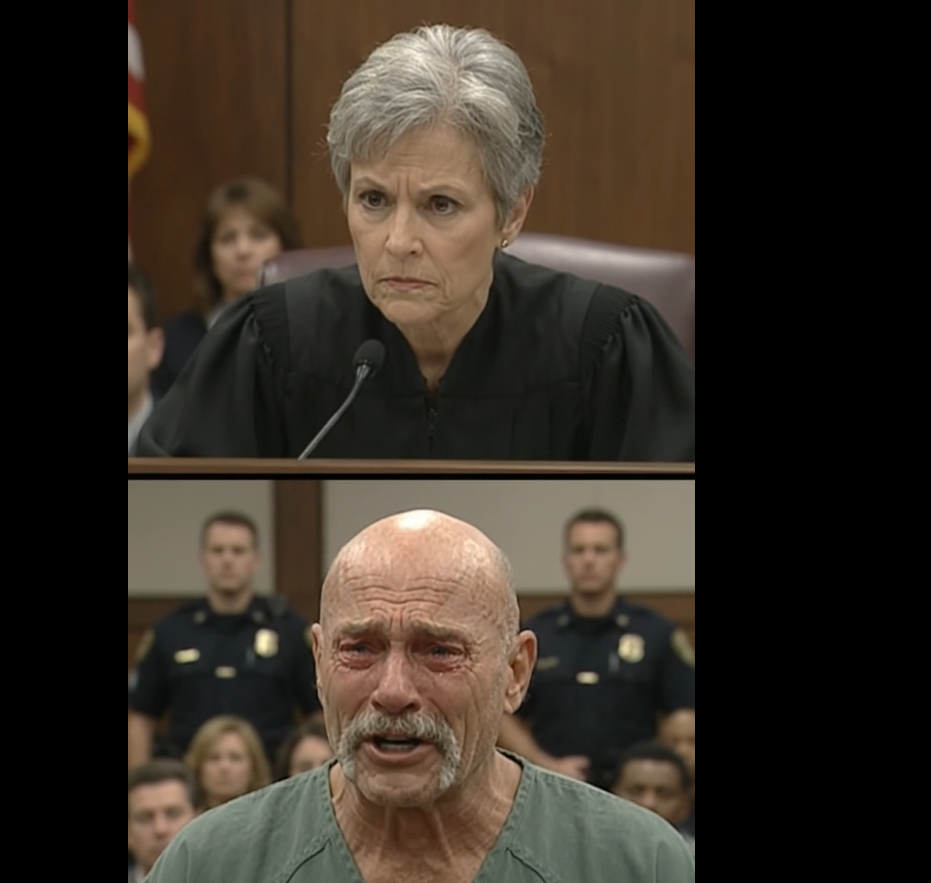
The Older Defendant’s Courtroom Plea highlighted how difficult it can be for someone to speak openly about their personal struggles.
Understanding The Impact Of Their Actions
In this fake court case, the judge asks Raymond if he understands the impact of his actions on someone else.
Raymond looked down. He rubbed his lips together and tried again.
“I was thinking about getting through that day.” I was just trying to get through the day.
Although he hadn’t forgotten what had happened, his lawyer was there to help him explain the details. His eyes began to water as he hadn’t expected to be questioned
about the situation. He hadn’t expected to hear how his decisions had impacted others.
The Older Defendant’s Courtroom Plea also shows how difficult it can be to accept the consequences of decisions made during difficult times.
Keeping His Daughter At A Distance
Emily had been contacting him for months. She would call and leave messages asking if he needed anything or if he wanted to chat. Raymond would reply with short messages saying he was okay, busy today or we’ll chat soon.
Although he thought he was protecting her, he was actually avoiding feeling embarrassed.
“Dad, I can’t help you if you keep shutting the door,” she had said the last time they spoke in person.
He had snapped at her and told her to stop interfering. He regretted his words as soon as she left but didn’t want to seem weak so didn’t call her back.
Now he was in court, he pictured her listening to his explanation. His face scrunched up and he tried to continue but his voice cracked. He looked down again.
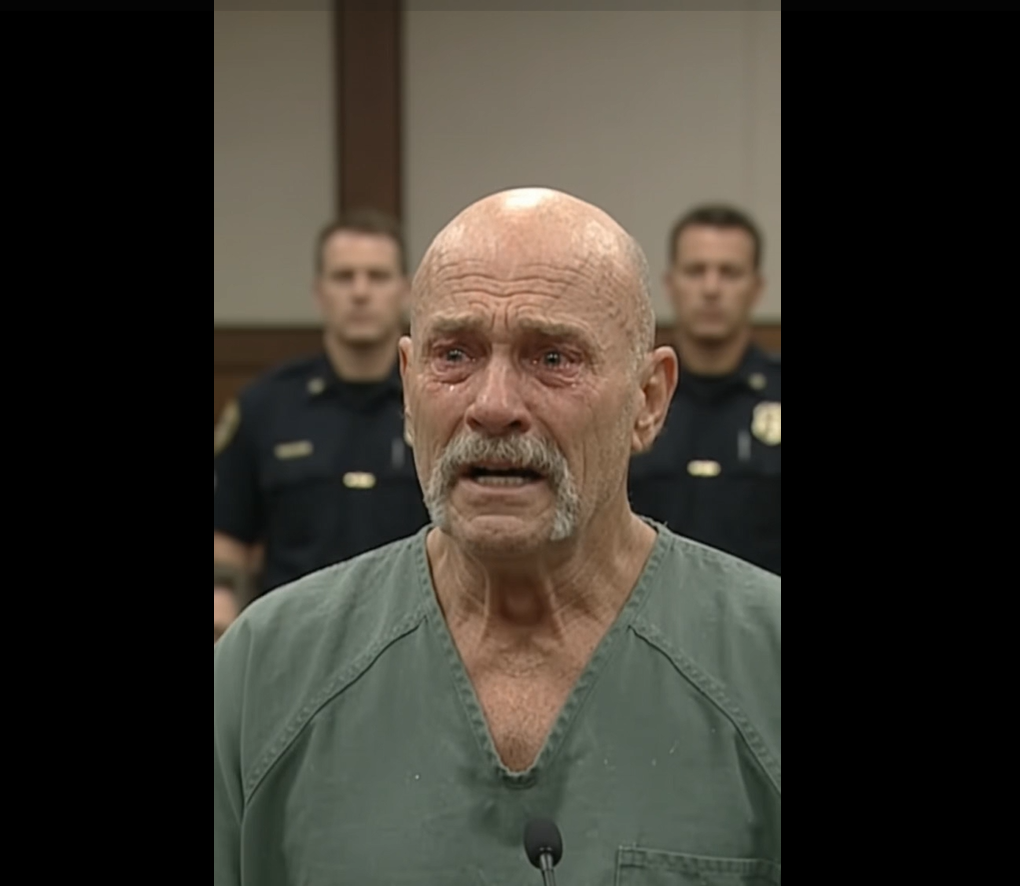
In this Older Defendant’s Courtroom Plea, his relationship with Emily becomes an important part of the emotional impact of the story.
The Truth
Judge Whitaker spoke to him again. She reminded him that regret only matters if he takes responsibility. They still have to consider the evidence and the law. Raymond wiped his face with the back of his hand.
“But I can stop pretending it didn’t happen,” Melissa asked him to take a breath. There wasn’t an immediate solution and they continued with the court.
However, he had made a small but meaningful change. He had finally stopped pretending he was okay.
The Older Defendant’s Courtroom Plea reminds us that accepting responsibility is an important first step towards making a change.
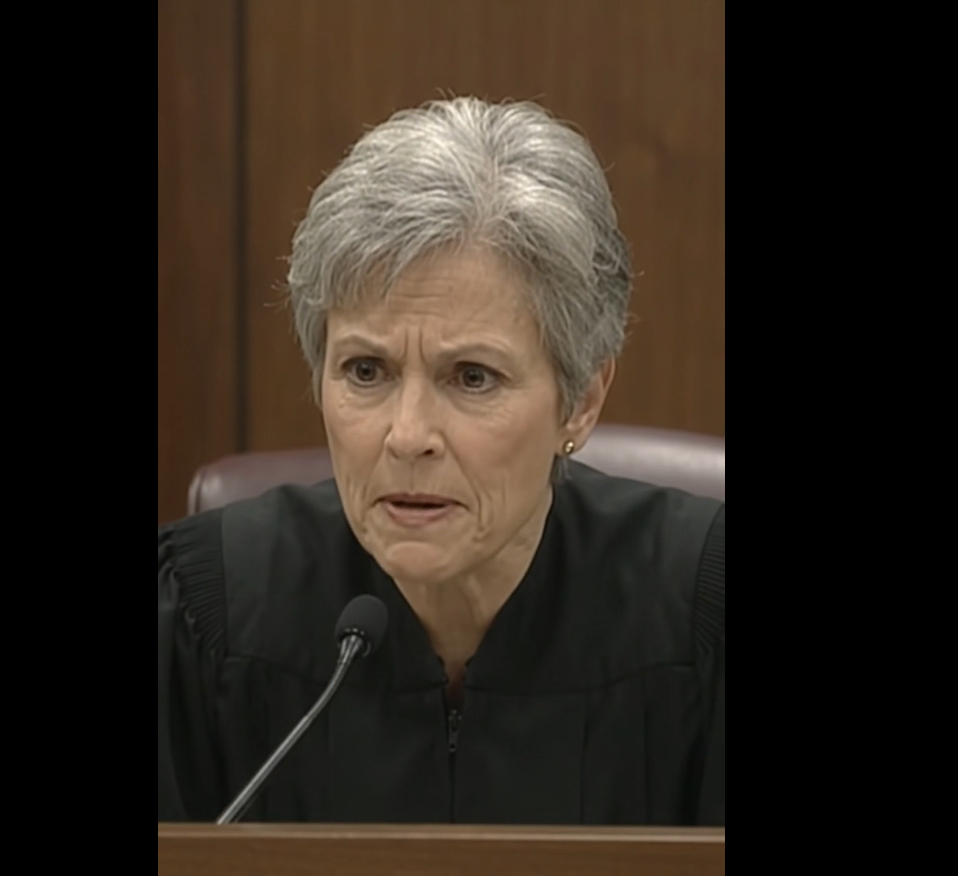
The Moral Of This Elderly Defendant’s Plea In Court
Although this is a fictional story, it teaches us a valuable lesson. We can often hide our problems due to our pride. Although we might feel we are protecting someone by staying quiet, we are actually keeping our loved ones in the dark. Asking for help doesn’t mean you aren’t responsible, it can help to prevent the problem getting worse.
We don’t know why the real man was talking, what the judge said or what case was happening. We can’t tell if he is guilty or innocent based on his facial expression.
Remember to be honest, take responsibility and don’t feel like asking for help makes you weak. You can’t change yesterday but you can choose not to hide from tomorrow.
The message behind Older Defendant’s Courtroom Plea is simple: asking for help is not a sign of weakness, and taking responsibility is the beginning of change.
[Note: Raymond Foster, Emily Foster, Melissa Grant and Judge Eleanor Whitaker are all fictional characters. The family history, conversation, legal situation and outcome have all been made up.
Read another emotional courtroom story
Official website: United States Courts
We don’t know who the real people were or what case they were facing based on the video.]